After water reaches floors, walls, or cabinets, the next step is understanding what has been affected—not simply removing the puddles. Arizona Water Damage Restoration provides water damage restoration in Peoria, including water extraction, structural drying, cleanup, and repairs for homes and businesses.
We assess accessible areas, explain the proposed work, and distinguish restoration needs from fixing the original source. Tell us what happened, whether the water has stopped, and which rooms show damage. We’ll discuss current availability and assessment arrangements.
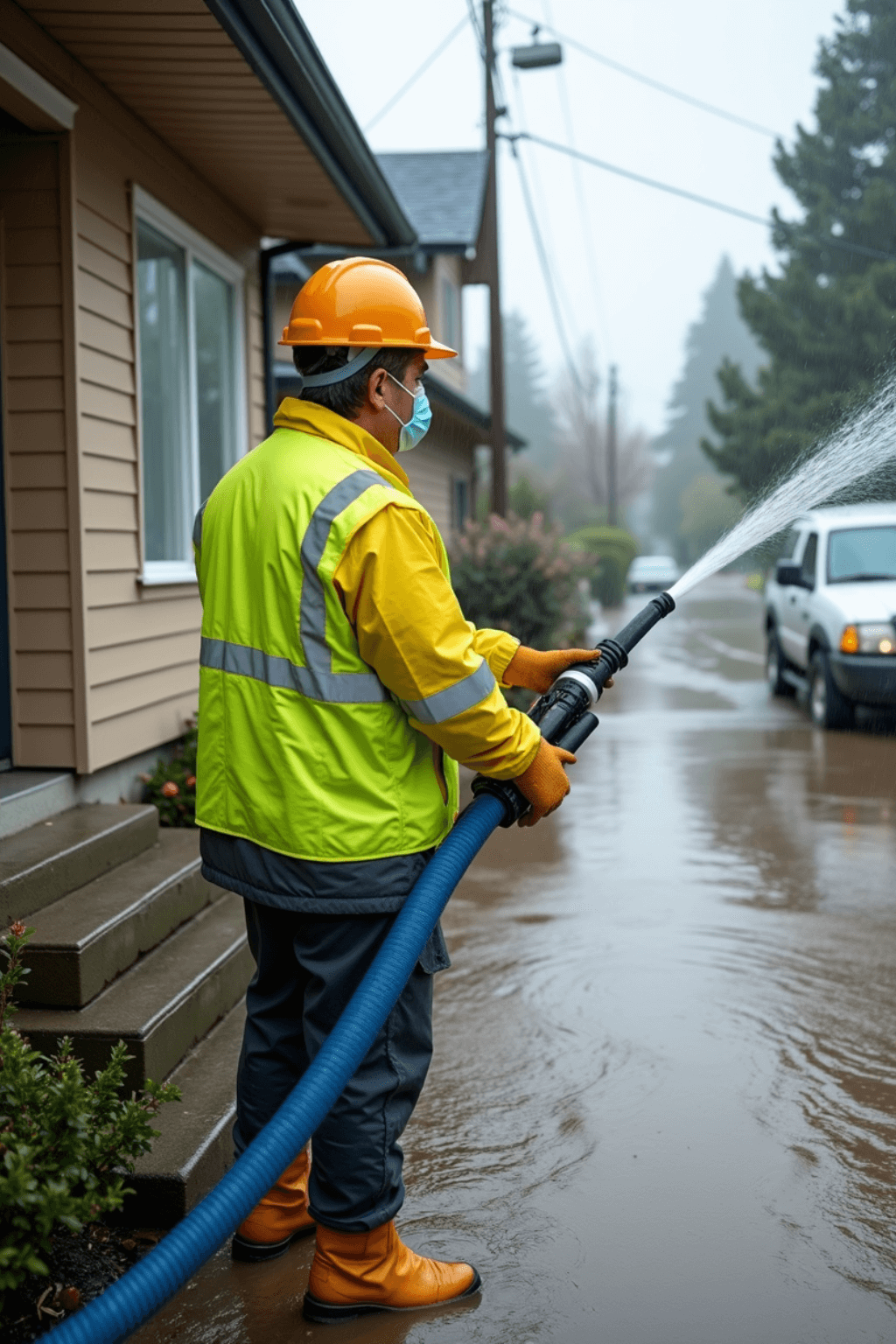
An emergency call does not require a complete diagnosis. Describe what you can observe safely: water spreading across a floor, an overflowing fixture, a dripping ceiling, or water entering from outside.
Explain whether conditions are changing and mention sewage, electrical hazards, sagging materials, or blocked access. These details help clarify how the proposed assessment and cleanup should be approached.
Keep occupants and pets away from potentially contaminated water, damaged electrical equipment, and unstable ceilings. Do not touch switches or electrical equipment while standing in water. Stop the source only if you can do so safely, and contact emergency services for immediate threats to life or safety.
Water affecting your Peoria home or business?
Tell us where it started, whether it is still entering, and which areas are affected. We’ll discuss current availability for assessment and cleanup.
The room where water first appeared may not be the only area needing attention. Assessment considers the reported source, visible changes, moisture findings, and accessible adjoining materials.
We review accessible affected surfaces and building components to identify proposed extraction, drying, cleaning, removal, and repair needs. Your account of when the problem began and what happened afterward helps put the findings in context.
We explain where concealed materials, unsafe conditions, or restricted access limit the assessment. Additional access or a separate specialist investigation may be proposed.
A supply-line release, roof leak, sewage backup, and exterior floodwater entry can require different cleanup arrangements. The source and exposure history help inform contamination concerns and material decisions.
If the source is uncertain, describe the evidence rather than guessing. Locating and correcting the problem may require a plumber, roofer, or another appropriately qualified contractor.
We explain which services apply to the assessed conditions and how they fit together. The proposed scope identifies included areas, material treatment, and tasks requiring separate arrangements.
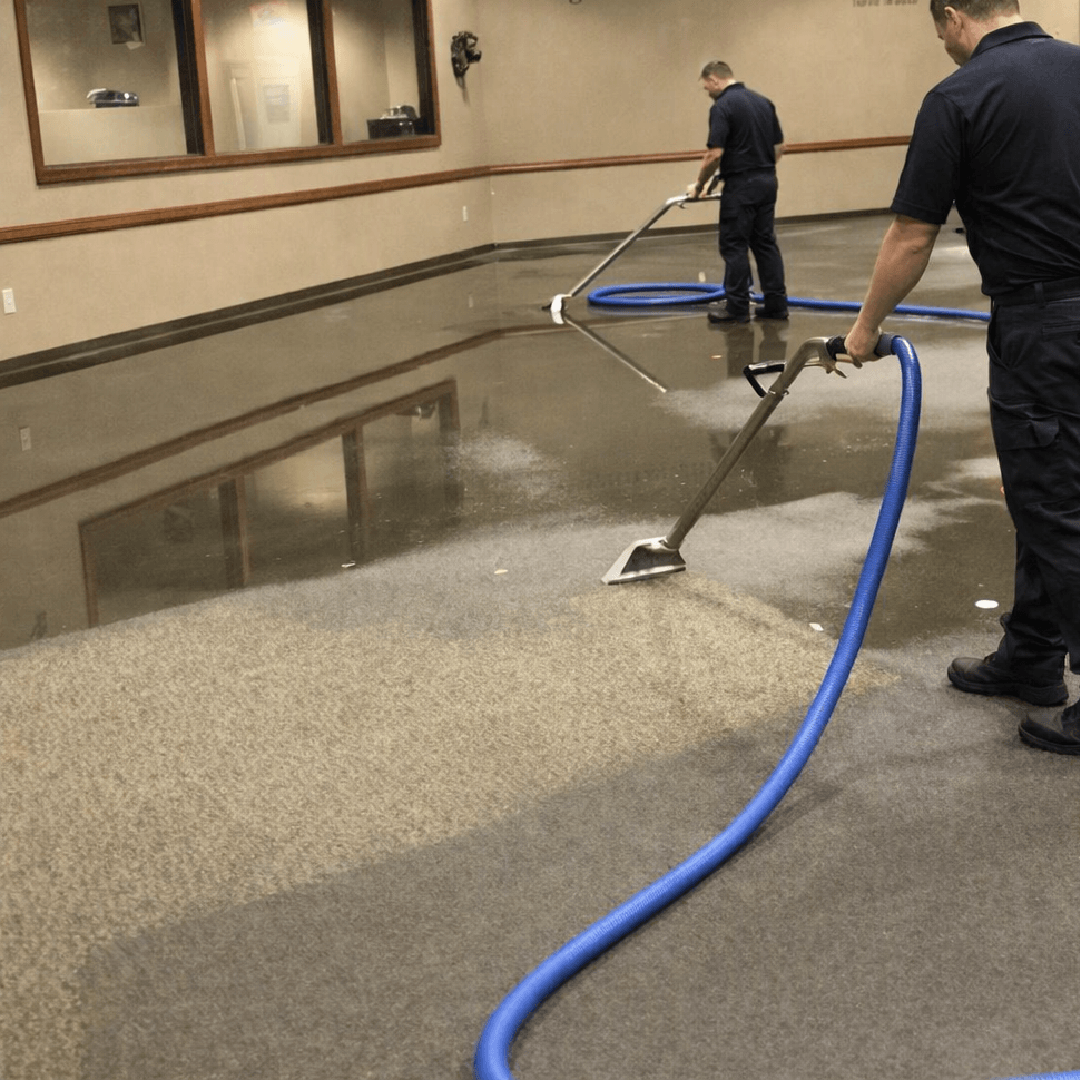
We remove accessible excess water from agreed parts of the property. Equipment and methods depend on water depth, surface types, access, and water conditions.
Extraction does not establish that every affected component is dry. Moisture may remain beneath floor coverings, around cabinet bases, or within wall and ceiling assemblies.
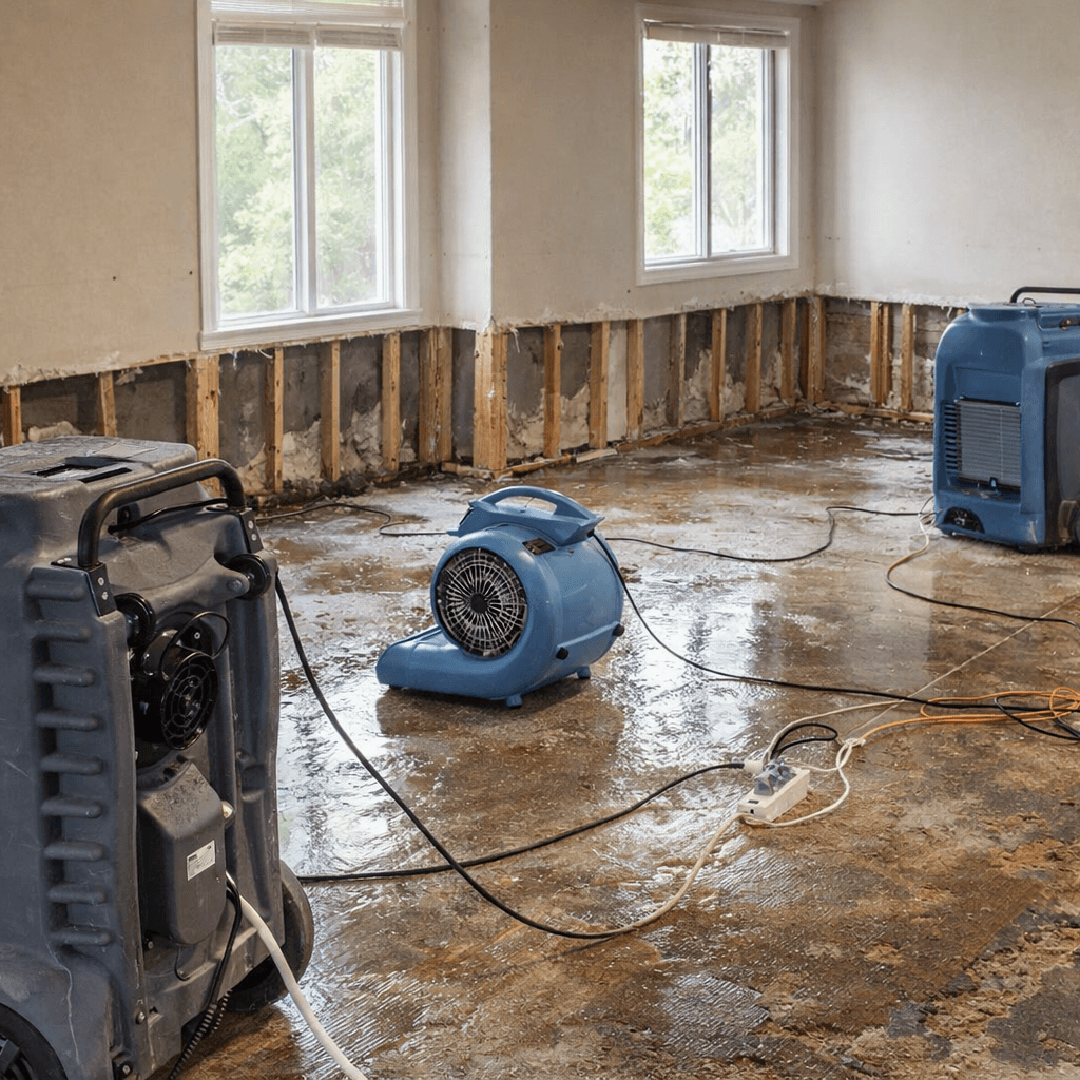
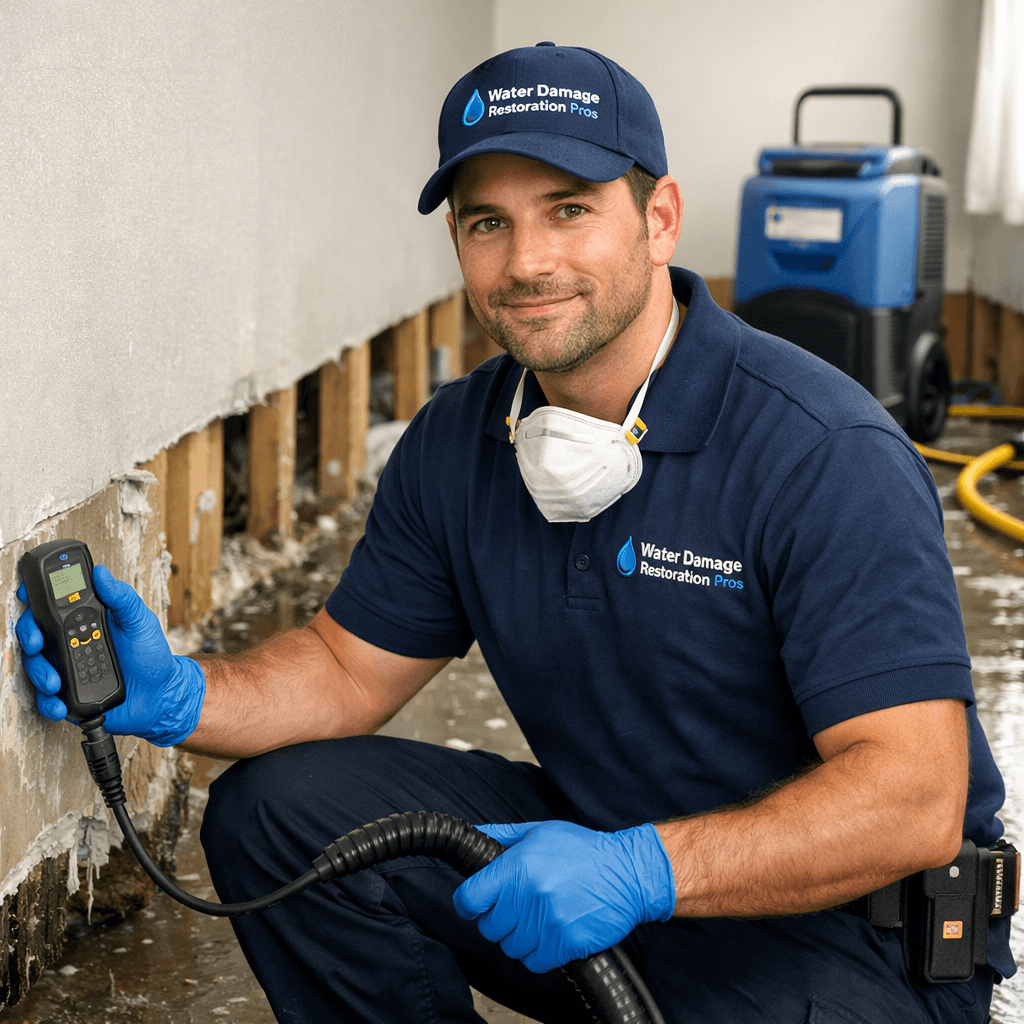
We assess which materials are suitable for drying and how air movement, dehumidification, access, and any necessary removal fit the work.
Equipment placement follows the room layout, material condition, contamination concerns, and moisture findings. Follow-up readings help review progress and identify areas requiring further attention.
Some components may be suitable for cleaning and retention. Others may require removal or replacement because of their condition, exposure, or contamination concerns.
We explain proposed material decisions and debris-handling arrangements before the relevant work begins. The same treatment is not assumed to be appropriate for every affected surface.
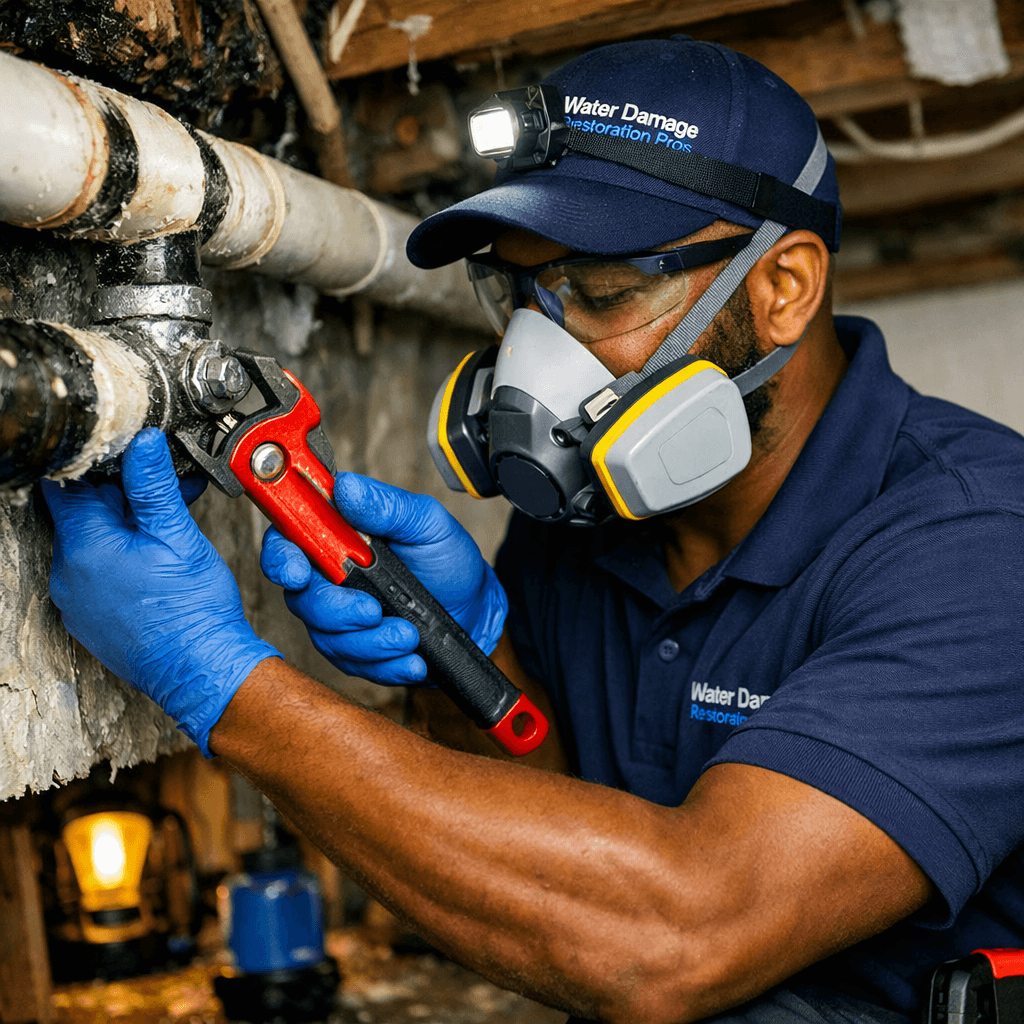
Repair planning follows the assessment and moisture-management work. The scope may include affected drywall, ceilings, insulation, flooring, cabinets, baseboards, and trim.
We distinguish these repairs from correcting the original pipe, appliance connection, roof opening, or drainage problem. Confirm who is responsible for each part of the project.
Understand what your property may need next
Call with your Peoria location, the suspected water source, and a description of the affected spaces. We’ll discuss assessment, water removal, drying, cleanup, and repair needs.
Water damage may follow a sudden release or become noticeable gradually. When calling, explain whether the problem is new, recurring, or connected to earlier repairs.
A failed pipe or supply connection may release water inside a wall, beneath a fixture, or near utility equipment. Nearby flooring, cabinets, ceilings, and adjoining rooms may also need assessment.
Tell us whether the supply has been stopped and which spaces show visible changes. Plumbing repairs remain separate from addressing the resulting water damage unless specifically included in the agreed arrangements.
Washing machines, dishwashers, refrigerators, water heaters, sinks, tubs, and toilets can release water into surrounding finishes and building materials.
Identify the appliance or fixture involved and mention wastewater concerns. Describe water beneath cabinetry, along flooring edges, or on ceilings below, even if the immediate surface has already been cleaned.
Roof openings, exterior defects, and drainage problems may allow water into ceilings, walls, and floors. We review accessible damage alongside the reported entry route.
Restoration does not resolve the entry defect. Roofing, drainage, or building-envelope work may need separate assessment and coordination before permanent interior repairs.
Sewage and exterior floodwater require careful consideration of contamination, cleaning, removal, disposal, and safe access.
Keep people and pets away from affected areas. Explain the suspected source before a visit is arranged, and do not enter contaminated spaces to move belongings or prepare for cleanup.
The process connects findings to decisions so you can understand what is proposed, why access may be needed, and which tasks remain outside the agreed scope.
STEP 1
Provide the location, property type, affected rooms, and known or suspected source. Mention ongoing water entry, hazards, and access restrictions.
We discuss current availability and identify the person who can authorize access and review the proposed work.
STEP 2
We inspect accessible damage and review moisture findings alongside the reported history. This helps establish proposed extraction, drying, cleaning, removal, and repair requirements.
We explain assessment limitations and any need for further access or specialist evaluation.
STEP 3
Water extraction, cleaning, material handling, and drying are carried out in a sequence suited to the assessed conditions.
Equipment and access arrangements follow the affected materials, contamination concerns, and layout of the property.
STEP 4
Follow-up readings and material observations help determine whether additional drying, removal, or investigation is needed.
We review repair requirements and identify source corrections, specialist services, or permit questions needing separate coordination.
STEP 5
At the final review, we distinguish completed work from remaining repairs and further actions noted for the property.
Any outstanding moisture-related tasks or separately arranged services are explained rather than treated as complete by default.
Water extraction and drying should not be assumed to have the same permit requirements as reconstruction or changes to structural components and building systems. Confirm applicable requirements for the complete proposed repair scope with Peoria Development Services.
The City provides plan review and building permit information. Its Development Services portal also provides permit information and online inspection scheduling.
Identify permit and inspection responsibilities before regulated repairs begin. Separately arranged contractors and specialist services may need to coordinate their work with the restoration sequence.
Repairs should follow an understanding of the affected components and remaining moisture-related work. A dry-looking finish does not establish the condition of everything behind or beneath it.
We review affected finishes, drywall, insulation, and accessible cavity materials for proposed drying, cleaning, retention, removal, or replacement.
Sagging ceilings, loose materials, or suspected structural damage may require safety assessment or separate professional evaluation before work continues.
Assessment may extend beyond carpet, wood, laminate, vinyl, or tile finishes to accessible underlying materials. Construction, exposure, physical condition, contamination concerns, and moisture findings inform the proposed treatment.
We explain whether further access is needed and which floor-related repairs are included.
Cabinet bases, shelving, baseboards, door trim, and accessible contents are reviewed according to the agreed scope. Different components may need different treatment.
Ask which belongings are included. Furniture repair, electronics evaluation, document treatment, and other specialty contents services may require separate arrangements.
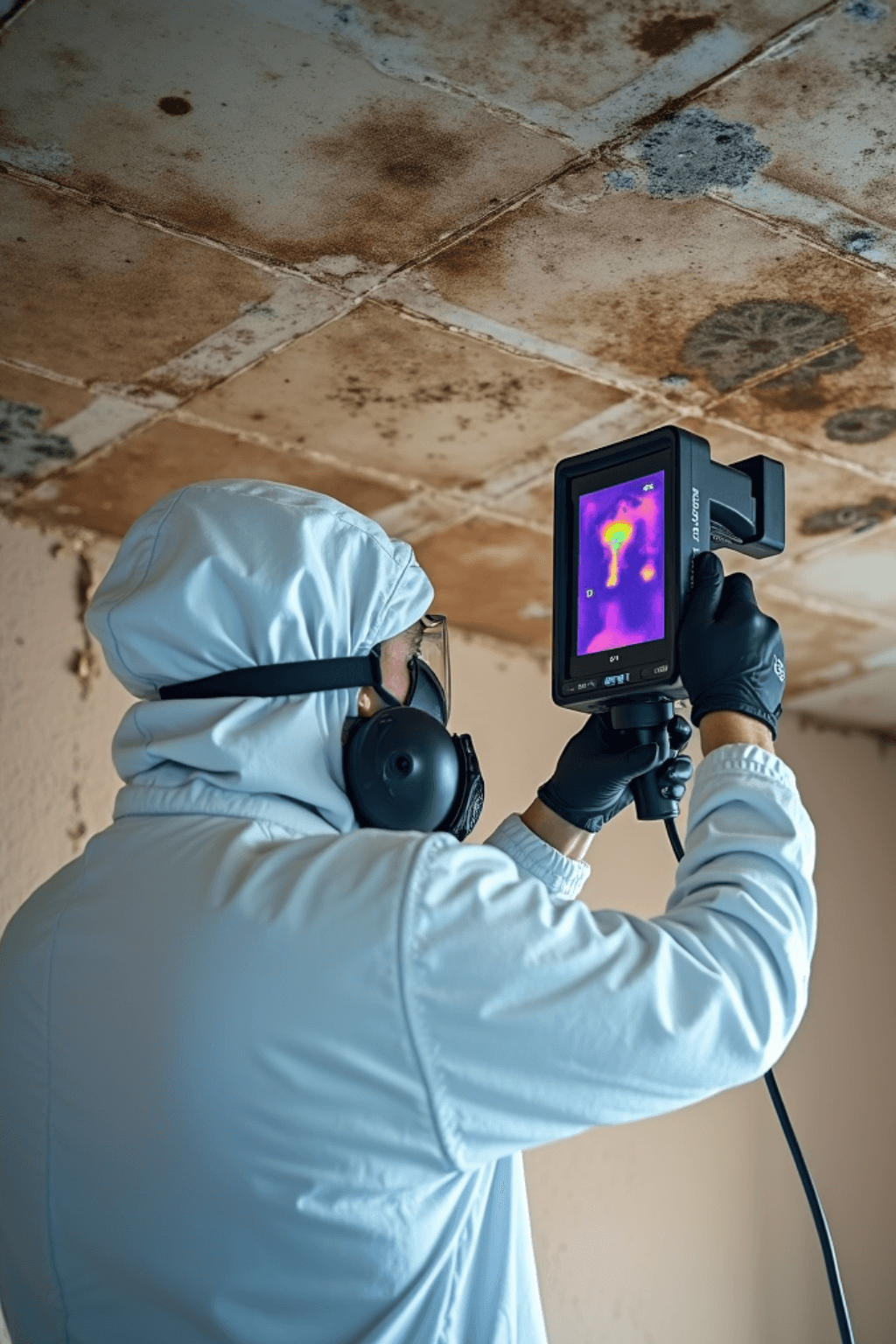
Visible or suspected mold may require a separate assessment or remediation scope. Mold remediation is not interchangeable with the complete water damage restoration process.
Fire and smoke damage services should also not be assumed to be included. Identify related concerns during the initial call so the proposed arrangements can be discussed.
Arizona Water Damage Restoration accepts inquiries for Peoria homes, rental properties, offices, retail spaces, and managed buildings. Provide the full location and ZIP code so availability can be discussed.
For rental or managed properties, identify who can approve access and work. Mention parking, gates, keys, shared entrances, and any restrictions on working hours.
Explain whether tenants, employees, customers, or visitors need to use nearby spaces. Safety conditions, contamination concerns, equipment placement, and the proposed work affect access arrangements.
If exterior flooding is involved, do not cross flooded roads or bypass barricades to reach the property. Keep away from downed power lines and follow instructions from emergency authorities.
Do not enter floodwater to inspect damage or retrieve belongings. Tell us whether the building can be approached safely and whether water is still entering.
For broader service information, visit our Arizona water damage restoration homepage. Availability depends on location, required work, safe access, and current scheduling.

These answers address common questions about assessment, cleanup, drying, and repairs in Peoria.
Yes. Explain when the leak occurred, whether the source was repaired, and what cleanup or drying has already been attempted. Describe continuing stains, damaged finishes, or other concerns. The proposed work depends on current findings rather than the age of the incident alone.
List the rooms and visible changes you can identify safely. Assessment may need to follow the water path through adjoining spaces, floor assemblies, walls, or ceilings. The agreed scope should identify which areas are included and where further investigation is proposed.
Ask which stages and tasks are included. Extraction, drying, cleaning, removal, debris handling, and repairs may be itemized separately. Confirm source correction, specialist services, and any reconstruction work before authorizing the proposed scope.
No. Retention depends on material condition, exposure, contamination concerns, construction, and moisture findings. Some components may require removal or replacement even when drying equipment is used elsewhere in the property.
Ask about available photographs, moisture findings, estimates, affected-area information, and work records for the agreed project. Confirm reporting requirements and coverage directly with your insurer. Restoration documentation does not guarantee claim approval or payment.
Drying progress, additional findings, material decisions, access, permits, source repairs, and separately arranged services can affect timing. We discuss the proposed stages after assessment and explain changes as further information becomes available.
Discuss restoration for your Peoria property
Tell us what happened, which areas are affected, and whether the source has stopped. We’ll discuss current availability and the next steps for assessment, cleanup, drying, and repairs.