Arizona Water Damage Restoration provides water damage restoration in Mesa, including water removal, structural drying, cleanup, and repairs for homes and businesses. We assess affected areas after plumbing leaks, burst pipes, appliance overflows, roof leaks, storm-related water intrusion, and sewage backups, then explain the proposed restoration work.
Tell us where the water came from, whether it is still entering, and which rooms or materials are affected. We’ll discuss current availability and the next steps for your Mesa property.
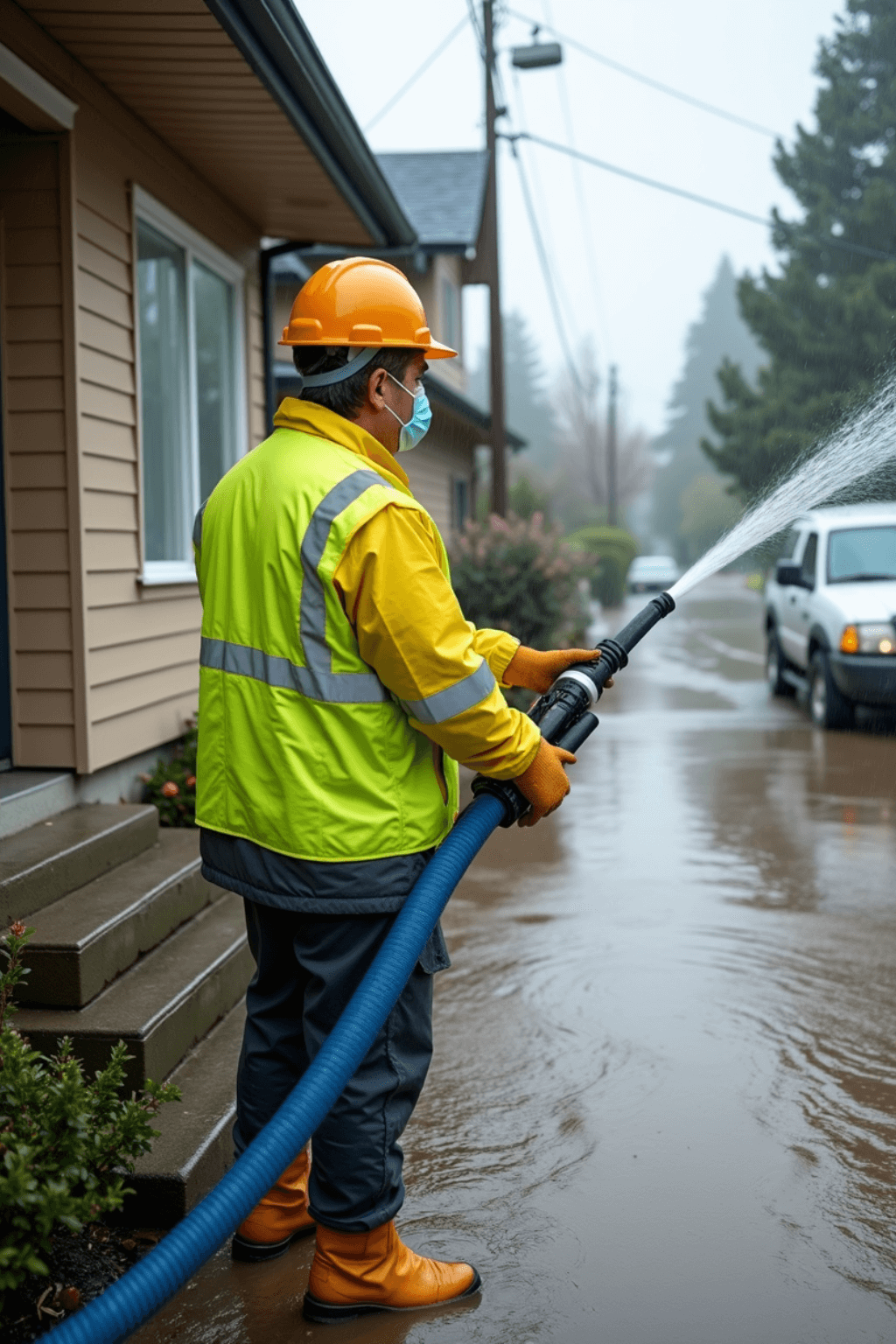
A water damage emergency may extend beyond the standing water you can see. Water can travel beneath flooring, collect behind cabinets, enter wall cavities, and affect ceilings or rooms below the original leak.
During your call, explain whether the source has stopped and whether there are electrical hazards, sewage, unstable ceilings, or access restrictions. A leaking supply line and exterior floodwater entering several rooms may require different emergency cleanup arrangements.
Keep people and pets away from potentially contaminated water, damaged electrical equipment, and unstable materials. Stop the source only if you can do so safely. Do not enter an unsafe area to inspect the damage or move belongings. Contact emergency services for immediate threats to life or safety.
Facing a water damage emergency in Mesa?
Tell us the affected areas, whether water is still entering, and any safety concerns. We’ll discuss availability for assessment, water removal, and cleanup.
Our water damage restoration services address accessible standing water, moisture in affected materials, cleanup requirements, and repair needs. The reported source, water conditions, material types, and assessment findings guide the proposed scope.
We explain which services are included and which source corrections, reconstruction tasks, or specialty services may require separate arrangements. Clear communication helps you understand the proposed work before it proceeds.
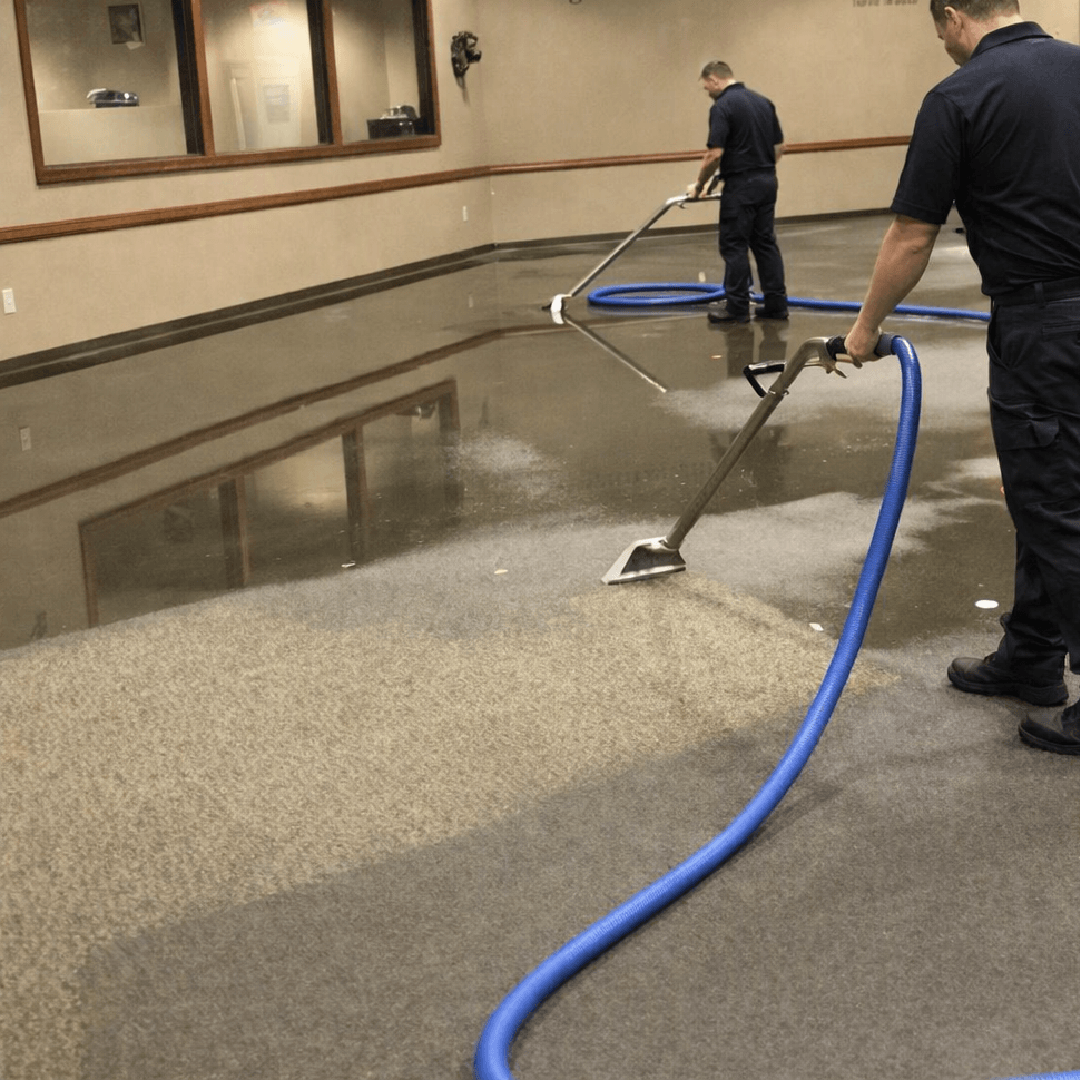
We remove accessible standing water from agreed areas of the property, including living spaces, utility rooms, offices, retail interiors, and other affected rooms. Pumps and extractors are selected according to water depth, access, surface types, and water conditions.
Water extraction removes excess water. Further assessment helps identify moisture remaining beneath floor coverings, around cabinet bases, inside accessible wall assemblies, and in adjoining materials.
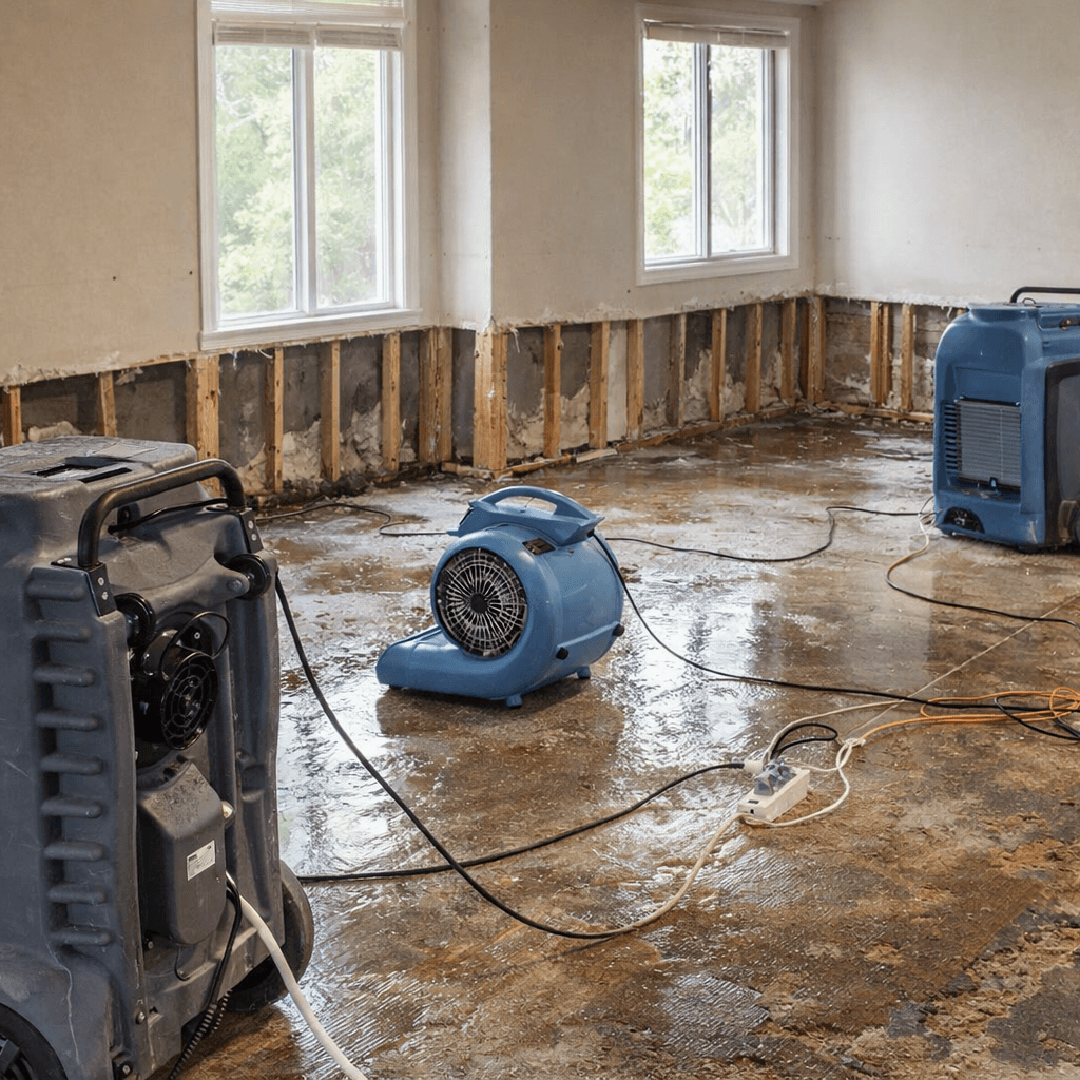
Structural drying addresses moisture retained in affected building materials. We assess the space and explain how air movement, dehumidification, access, and any necessary material removal fit the restoration plan.
Equipment placement depends on room layout, material condition, contamination concerns, and moisture findings. Follow-up readings help assess progress and identify areas requiring further attention.
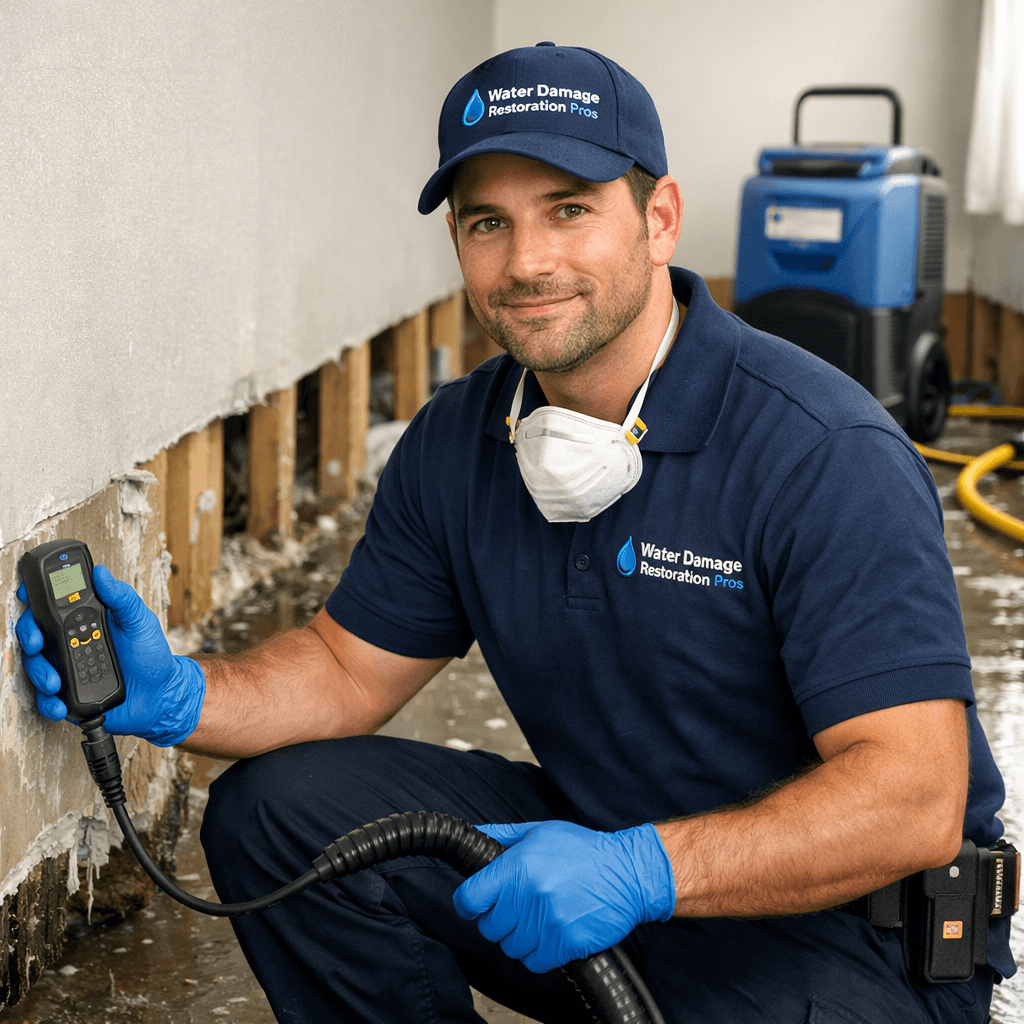
We evaluate affected surfaces and components for cleaning, drying, retention, removal, or replacement. Decisions depend on the water source, exposure history, material condition, accessibility, and possible contamination.
Before cleanup or material removal begins, we explain the proposed scope and arrangements for handling damaged components and debris.
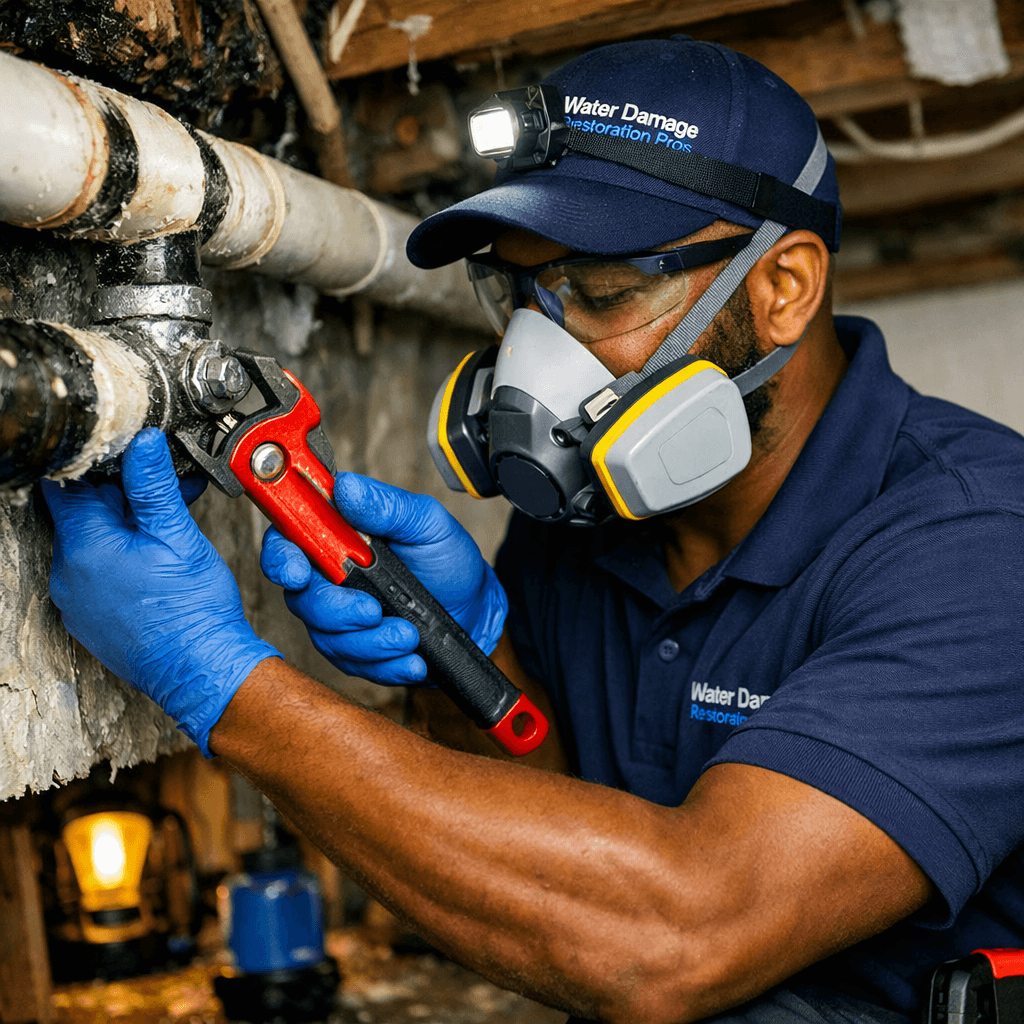
Repair planning follows the agreed cleanup and moisture-management work. We review damaged drywall, ceilings, insulation, flooring, cabinets, baseboards, and trim to identify proposed repairs or replacement.
Restoration does not automatically correct the original leak or entry problem. Plumbing, electrical, roofing, structural, and other specialist repairs may require separate assessment and appropriately qualified contractors.
Some water losses begin with a sudden release. Others become noticeable through ceiling stains, damp cabinets, lifting flooring, or water appearing in an adjoining room. Tell us what happened, when you first noticed it, and whether conditions are changing.
A burst pipe or failed supply connection may affect wall cavities, cabinets, floors, ceilings, and nearby rooms. A slower water leak may leave visible damage away from the original release point.
We assess accessible areas along the reported water path and explain proposed extraction, drying, cleanup, and repairs. Correcting the pipe or connection remains a separate part of addressing the loss.
Washing machines, dishwashers, refrigerators, water heaters, sinks, tubs, and toilets can release water into surrounding finishes and building materials.
Identify the appliance or fixture involved and describe damage beneath cabinets, around flooring edges, or on ceilings below. Tell us whether the supply has been shut off and whether wastewater may be involved.
Storm-related water intrusion through damaged roofing, doors, exterior openings, or drainage routes may affect ceilings, insulation, walls, and flooring. We review the reported entry point and accessible damage before discussing cleanup and drying.
Removing water does not correct the entry problem. Roof, drainage, or building-envelope repairs may need to be coordinated separately.
Exterior water entering a home or business requires assessment of the entry route, affected materials, standing water, and possible contamination.
Tell us whether water is still approaching or entering the building, whether entrances or nearby roads are affected, and whether safe access is available. Flood cleanup arrangements follow conditions at the property rather than assuming every water loss is comparable to an indoor plumbing leak.
Sewage backups and wastewater overflows require careful assessment of cleaning, material removal, disposal, drying, and restoration needs.
Avoid contact with the water and keep occupants, employees, visitors, and pets away. Stop using affected fixtures where safe, and tell us that sewage may be involved when calling.
Request Water Damage Help in Mesa
Tell us what happened, where the property is located, and which areas are affected. We’ll discuss availability, assessment, water extraction, drying, cleanup, and repair needs.
Our Mesa water damage restoration process connects assessment, water removal, structural drying, cleanup, and repair planning. The source, affected materials, safety conditions, and agreed scope guide the sequence of work.
STEP 1
Provide your Mesa location, property type, known water source, and affected rooms. Explain whether water is still entering and mention electrical, contamination, ceiling, or access concerns.
These details help us discuss current availability and the proposed next steps.
STEP 2
We review accessible affected areas and assess evidence of water movement through finishes and building materials. Findings help identify areas requiring extraction, drying, cleaning, removal, or further investigation.
We explain limitations involving concealed spaces, restricted access, or conditions requiring specialist assessment.
STEP 3
We remove accessible standing water where appropriate and implement drying measures suited to the assessed conditions.
Equipment selection and placement follow the affected space, material types, moisture findings, contamination concerns, and available access.
STEP 4
We review affected materials for cleaning, drying, retention, removal, or replacement. Findings guide the proposed work rather than assuming every wet component requires the same treatment.
We also identify source corrections, specialist assessments, and repair tasks that may need separate arrangements.
STEP 5
We review moisture findings and material conditions as work progresses. At the final review, we explain completed work, outstanding repairs, and any further actions noted for the property.
Water removal and structural drying address different parts of a water loss. Extraction removes accessible excess water, while drying addresses moisture retained in affected building materials.
We use moisture-assessment methods to review accessible materials and identify areas requiring closer attention. Readings and observations are considered alongside visible damage and the reported source.
Findings from accessible areas do not establish the condition of every concealed space. Further access or investigation may be required beneath flooring, behind cabinets, or within wall and ceiling assemblies.
Air movers and dehumidifiers may be used to support drying in affected spaces. Selection, placement, and operation depend on material condition, room configuration, moisture findings, and the agreed work.
The drying setup may be adjusted as follow-up readings and observations become available.
We review follow-up readings and material observations before moving to the next stage. These findings help determine whether additional drying, material removal, or assessment is needed.
We explain remaining moisture-related tasks before repairs proceed rather than relying only on the appearance of a surface.
The repair scope follows the material assessment and moisture-management work. We explain which components are proposed for retention and which may require repair, removal, replacement, or specialist attention.
We assess affected wall and ceiling finishes, drywall, insulation, and accessible cavity materials. Condition, exposure, contamination concerns, and moisture findings guide the proposed work.
Bulging ceilings, loose materials, and other signs of instability require safety assessment before work proceeds beneath the affected area. Suspected structural damage may require separate professional evaluation.
We review affected carpet, underlay, hardwood, laminate, vinyl, tile assemblies, and accessible subfloors. Assessment may need to extend beneath the visible floor covering.
We explain proposed cleaning, drying, repair, or replacement according to material condition and the findings.
Water may affect cabinet bases, shelving, baseboards, door trim, furniture, boxes, and other belongings. We review accessible items included in the agreed scope.
Ask which contents-related services are included. Specialty contents restoration, furniture repair, electronics assessment, and treatment of valuable items may require separate arrangements.
Visible or suspected mold growth is reviewed as a related moisture concern. Mold remediation is not treated as interchangeable with the full water damage restoration process. Where a separate assessment, remediation scope, or specialist service is needed, we explain that requirement before proceeding with the relevant work.
If the property also has fire or smoke damage, identify those conditions during the initial call. Fire damage restoration and smoke-related services should not be assumed to be included in a water damage cleanup agreement.
Mesa identifies interior structural, electrical, mechanical, and plumbing modifications as work requiring construction permits. Its residential guidance lists certain finish updates, including replacing flooring and updating countertops, as work that does not require a permit.
A water damage project may include several types of work, so confirm the requirements for the full proposed scope rather than assuming one exemption covers every repair. Review the City of Mesa’s residential construction guidance or commercial construction guidance before regulated work begins.

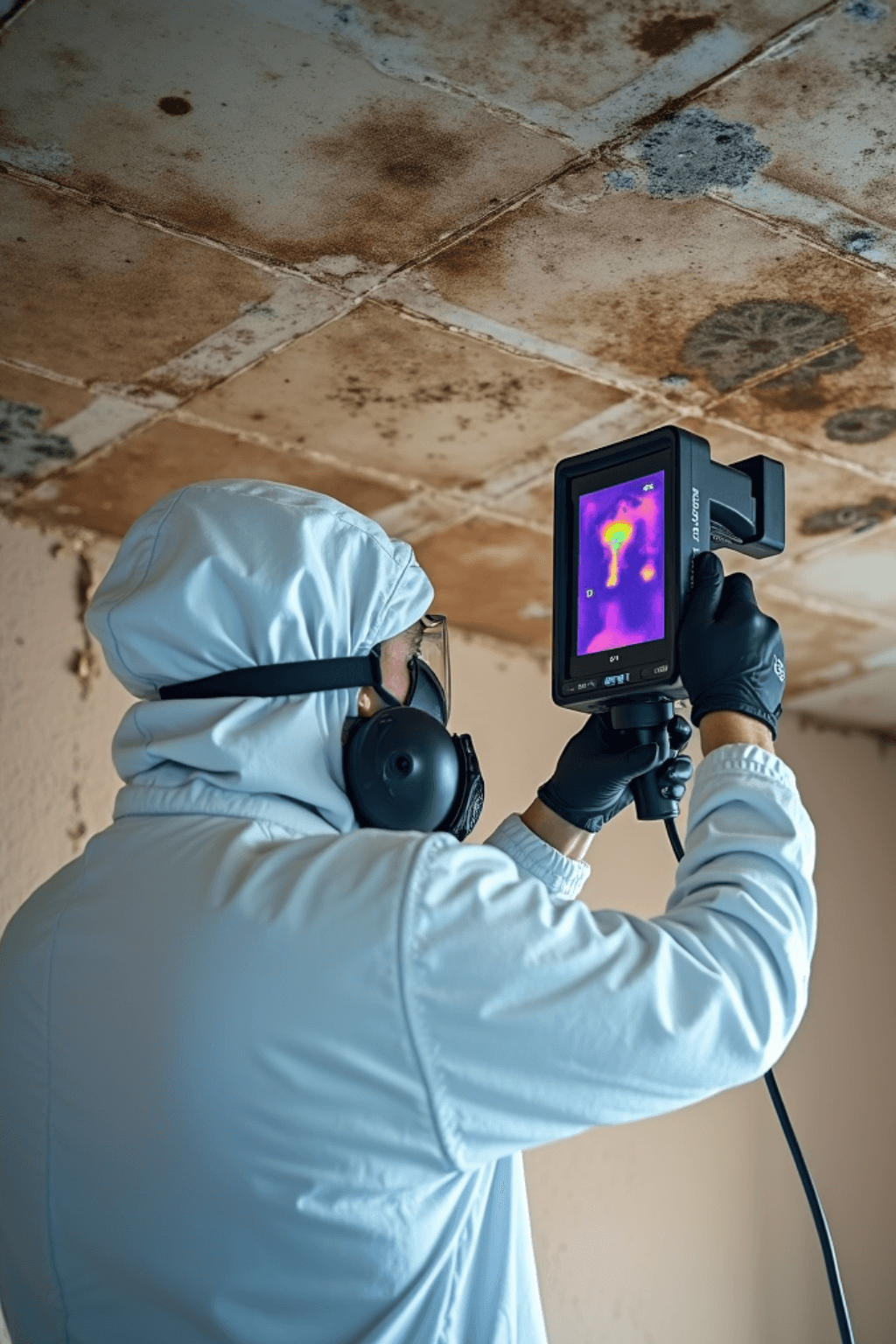
Arizona Water Damage Restoration accepts service inquiries for Mesa homes, rental properties, offices, retail spaces, and managed buildings. Contact us about plumbing leaks, burst pipes, appliance overflows, standing water, sewage backups, roof leaks, and storm-related water intrusion.
Provide your full property location and ZIP code so availability can be discussed. Include the neighborhood or a nearby major intersection, the building type, and any restrictions involving parking, keys, loading areas, or building management.
For occupied homes and businesses, tell us whether tenants, employees, customers, or visitors need access during the proposed work. Identify the on-site contact and any operational restrictions that may affect assessment, equipment placement, or repairs.
Indoor plumbing losses and exterior stormwater entry can require different cleanup arrangements. Tell us whether water came from a supply line, appliance, roof opening, exterior runoff, or an unknown source.
The City of Mesa warns against walking or driving through floodwater and driving around barricades. Keep children away from washes and storm drains after rainfall, avoid downed power lines, and follow official evacuation instructions.
Consult the City’s severe weather preparation guidance for local precautions. For broader coverage information, visit our Arizona water damage restoration homepage. Availability depends on the property location, required work, safe access, and current scheduling.
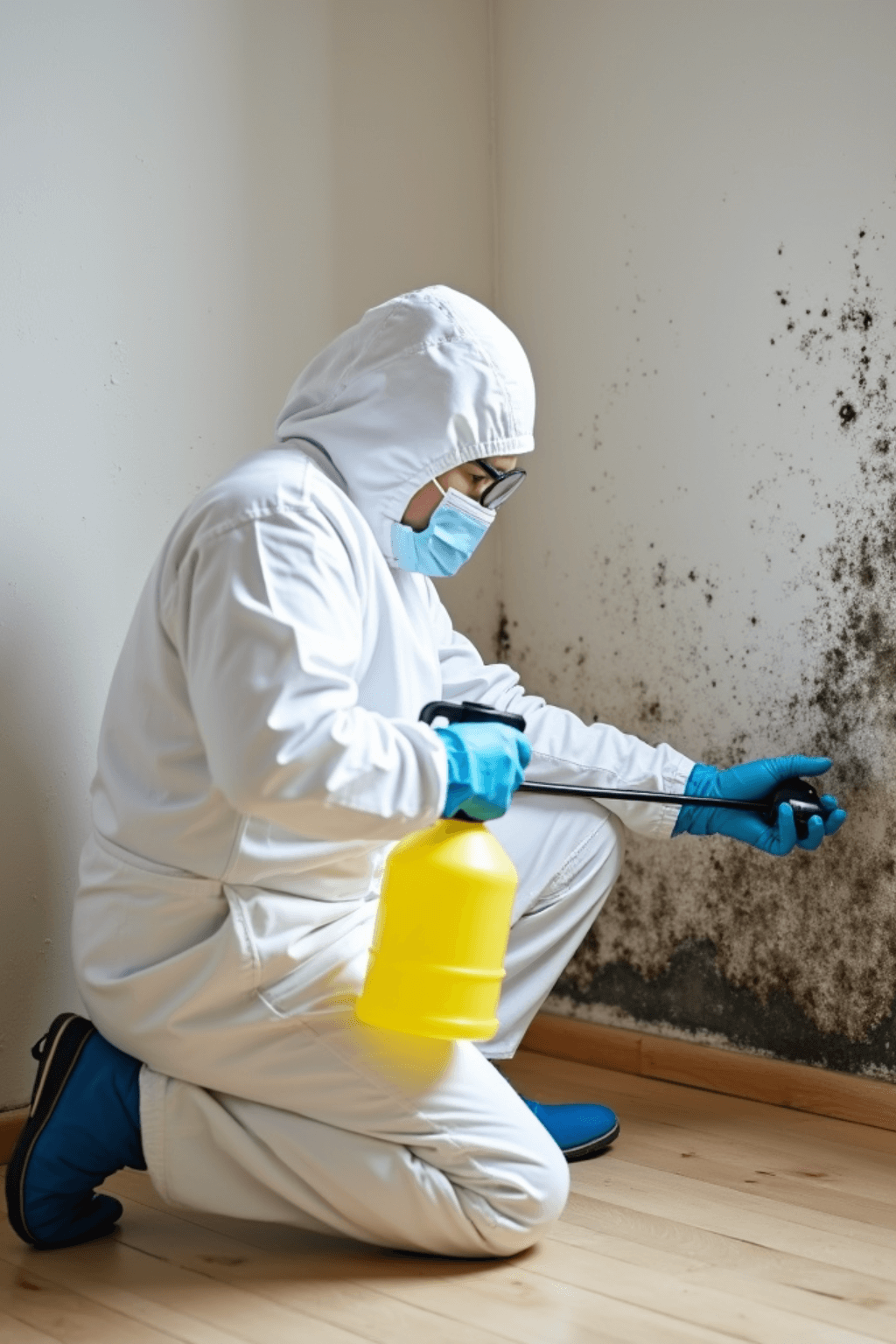
Find answers to common questions about water damage assessment, cleanup, drying, repairs, costs, and project arrangements in Mesa.
Request an assessment as soon as it is safe and practical. Tell us whether water is still entering, which areas are affected, and whether there are electrical, contamination, ceiling, or access concerns. We’ll discuss current availability and the proposed next steps.
Cost depends on the affected areas and agreed work. Relevant factors include water conditions, material types, access, extraction, drying, cleaning, removal, debris handling, and repairs. Ask what the estimate includes and which source corrections or specialist tasks may be separate.
Timing depends on the severity of the damage, extraction and cleanup requirements, moisture findings, drying progress, material decisions, access, and repairs. Separately arranged source corrections or specialist work may follow a different schedule. We discuss the proposed sequence after assessment.
Some materials may be suitable for cleaning and drying, while others may require removal or replacement. Decisions follow material condition, exposure, contamination concerns, moisture findings, and accessibility. Removing standing water does not establish that every affected component is dry or ready for repairs.
If you are a homeowner or property manager preparing an insurance claim, ask about available photographs, moisture findings, affected-area information, estimates, and work records for the agreed project. Confirm reporting requirements and coverage directly with your insurance company. Restoration documentation does not guarantee claim approval or payment.
Requirements depend on the proposed work. Mesa requires permits for interior structural, electrical, mechanical, and plumbing modifications, while some finish updates are exempt. Confirm the requirements for your complete repair scope with Mesa Development Services before regulated work begins.
Need water damage restoration in Mesa?
Tell us what happened, which areas are affected, and whether the water has stopped. We’ll discuss current availability and the next steps for assessment and restoration.