When a leak or overflow leaves your property wet, the first questions are practical: where has the water traveled, what needs to be removed, and what can be dried or repaired? Arizona Water Damage Restoration provides water damage restoration in Gilbert to help address those questions and plan the work.
Our services include water extraction, structural drying, cleanup, and repairs for residential and commercial properties. Describe what happened and which areas are affected. We’ll discuss current availability, assessment arrangements, and the proposed next steps.
You do not need to know the full extent of the damage before requesting assistance. Start with what you can observe safely: the room where the problem began, whether water is still entering, and where wet surfaces or staining are visible.
Tell us immediately if sewage, water near electrical equipment, a sagging ceiling, or another unsafe condition is involved. These concerns affect access and how the proposed cleanup should be approached.
Keep people and pets out of unsafe or potentially contaminated areas. Stop the water supply only if you can reach and operate the shutoff safely. Do not touch electrical equipment or operate switches while standing in water. Stay out from beneath bulging ceilings or loose materials, and contact emergency services for immediate threats to life or safety.
If the source is unknown, say so. An inspection of the affected areas and a separate plumbing, roofing, or other specialist assessment may be needed to understand what happened and which materials are affected.
Water still entering your Gilbert home or business?
Describe the source if known, the rooms affected, and any hazards. We’ll discuss current availability and arrangements for assessment and cleanup.
A restoration project may involve several different tasks. We explain the proposed scope so you can distinguish water removal and drying from material replacement, source repairs, and specialist work.
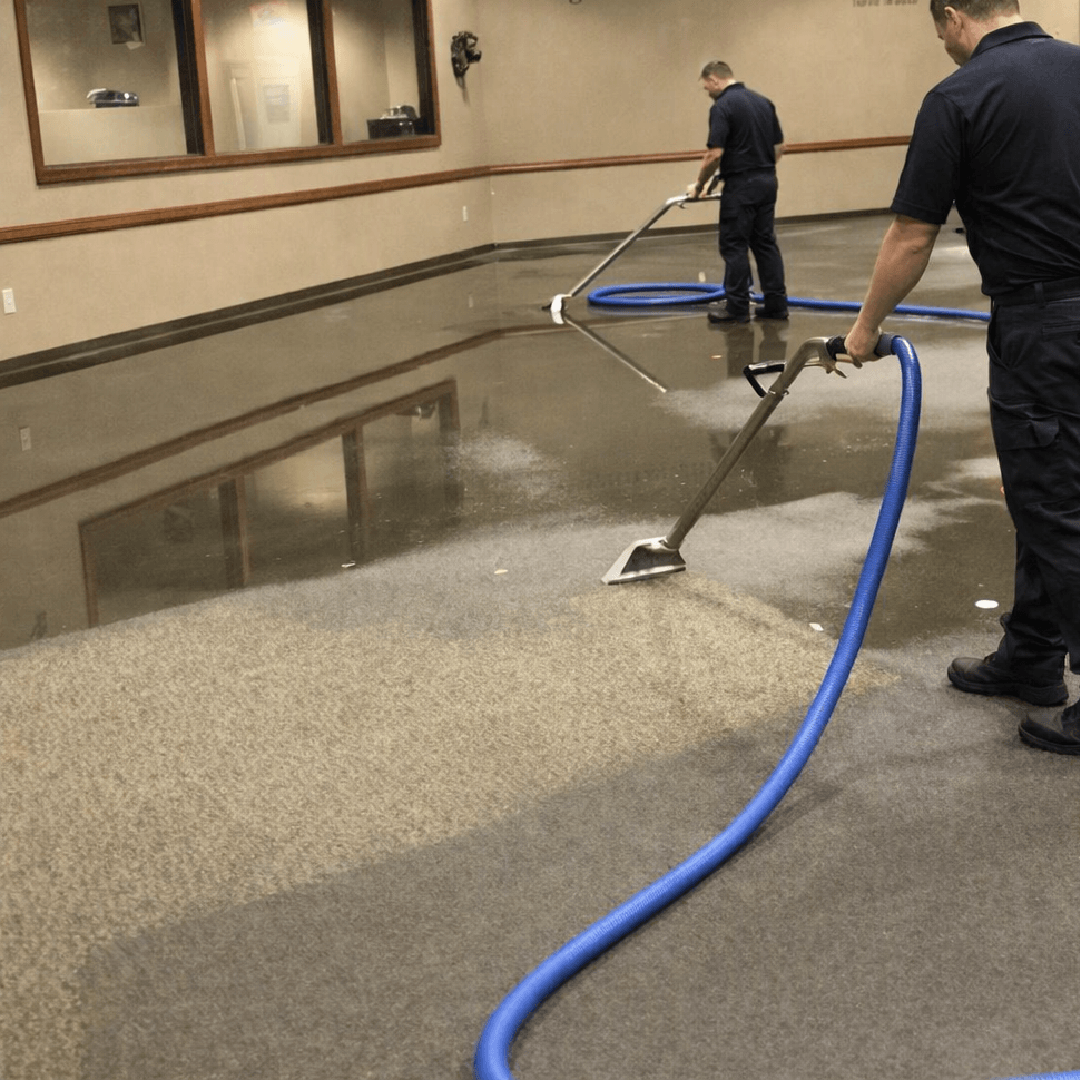
We extract accessible standing water from agreed parts of the property. The method depends on the amount of water, its condition, the surfaces involved, and access to the affected rooms.
Removing visible water is one stage of the work. Flooring assemblies, wall materials, and cabinet bases may still require moisture assessment after extraction.
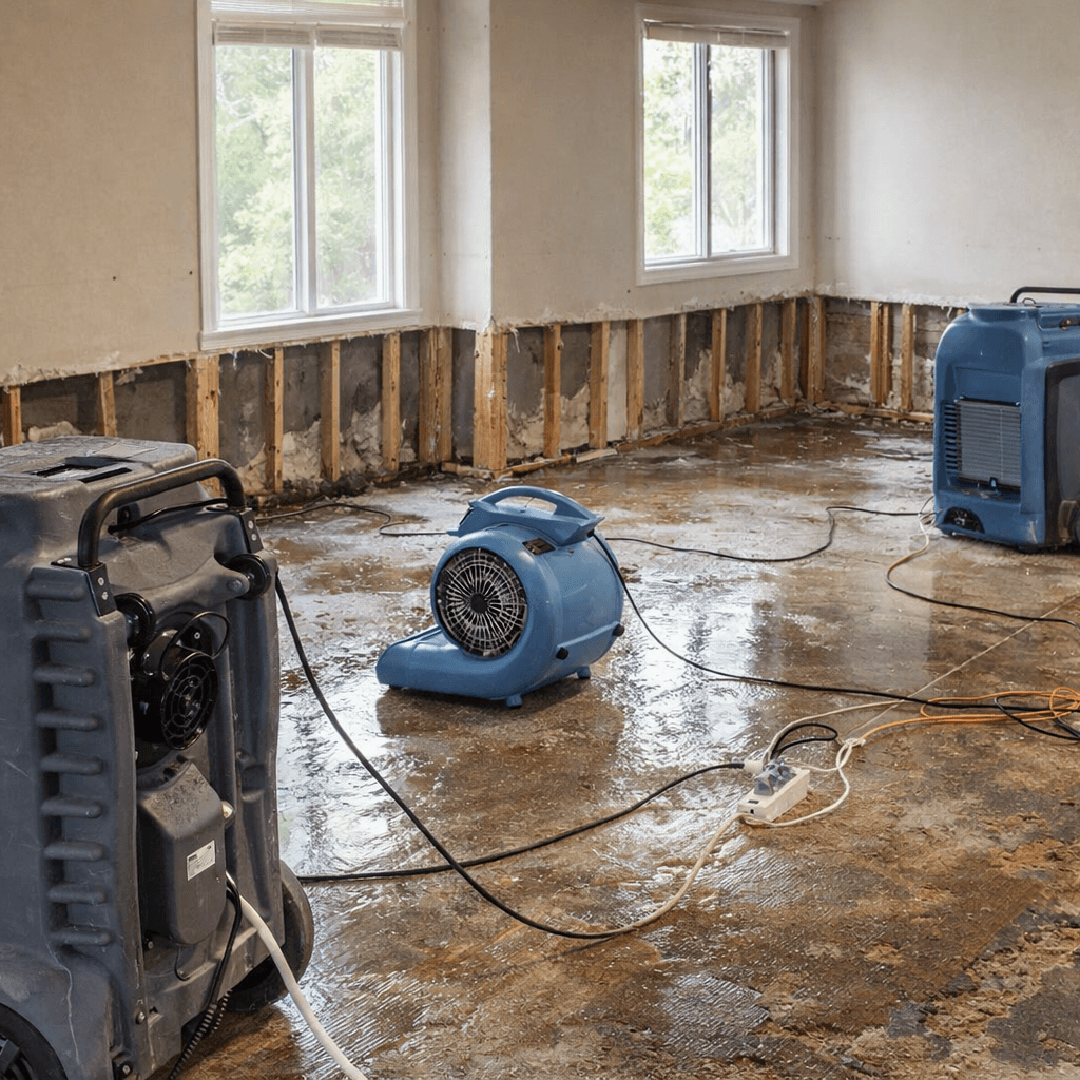
We assess which materials are suitable for drying and how equipment can be used within the space. Air movers, dehumidifiers, access openings, and any necessary material removal are considered as part of the drying plan.
The setup is not identical for every room. Material condition, contamination concerns, room layout, and moisture findings influence the approach.
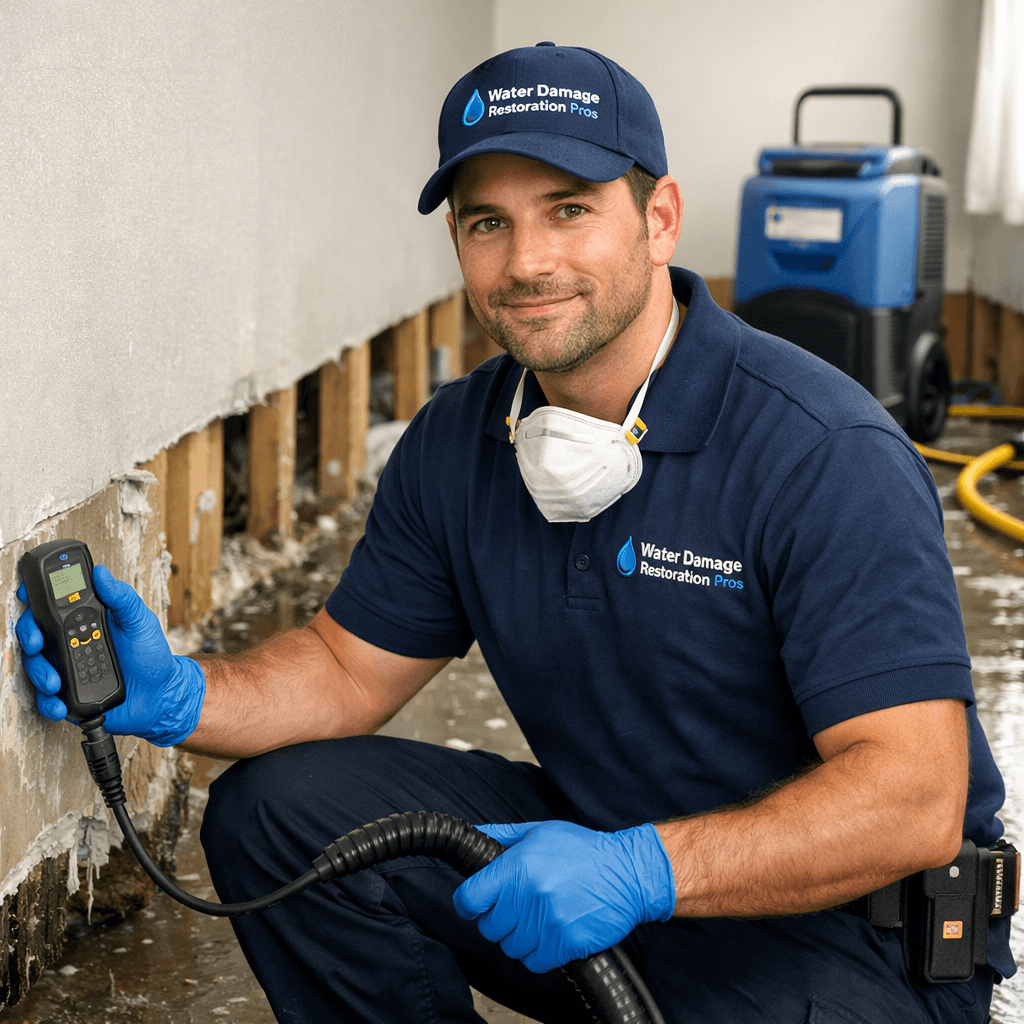
Some surfaces may be suitable for cleaning and retention. Others may require removal because of their condition, exposure, or contamination concerns.
We explain the proposed material decisions and debris-handling arrangements before that work begins. The agreed scope identifies which rooms, surfaces, and components are included.
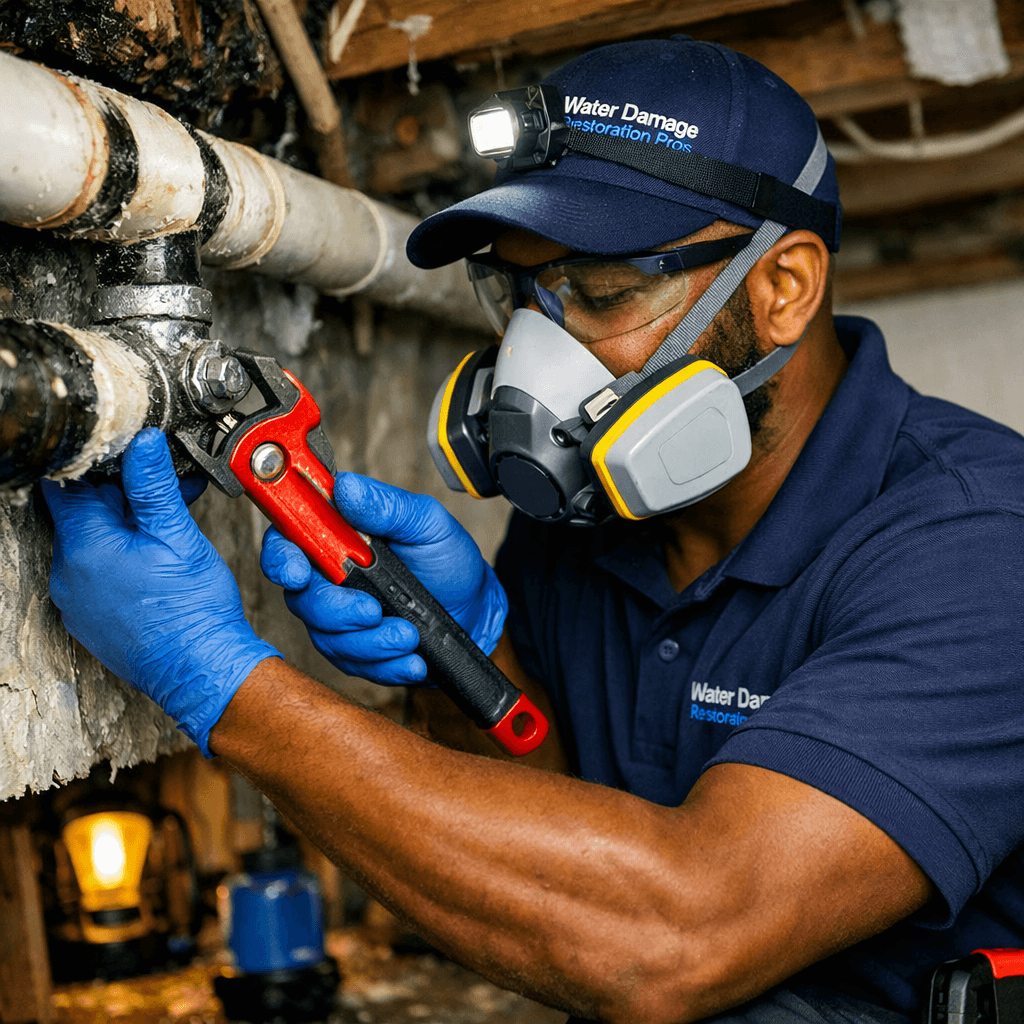
Repair work may involve drywall, ceiling finishes, insulation, flooring, cabinets, baseboards, and trim. The proposed repairs follow the assessment and moisture-management work rather than covering over unresolved conditions.
A restoration agreement should also distinguish these repairs from fixing the original pipe, roof opening, drainage issue, or other source. Those tasks may require separate contractors and scheduling.
Knowing how the water entered helps explain what needs attention. If you are uncertain, describe the evidence rather than guessing: a wet cabinet beneath a sink, a ceiling stain below a bathroom, or water appearing at an exterior doorway.
A failed connection or damaged pipe may release water inside a cabinet, wall, ceiling, or utility space. Tell us whether the supply has been stopped and whether nearby rooms are also showing damage.
The restoration assessment follows the accessible evidence of water movement. Repairing the failed plumbing remains a separate requirement.
Leaks and overflows from washing machines, dishwashers, refrigerators, water heaters, sinks, tubs, and toilets can affect surrounding finishes and materials.
Identify the appliance or fixture involved, when the release was noticed, and whether it may have happened before. Mention wastewater or a suspected sewage backup when calling.
Water entering from above or through an exterior opening can leave damage away from the apparent entry point. We review accessible ceilings, walls, flooring, and adjoining areas according to the reported water path.
Cleanup does not resolve the entry defect. Roofing, drainage, or building-envelope work may need separate assessment before permanent repairs are planned.
Exterior floodwater and sewage backups raise contamination concerns that must be considered when planning cleaning, material removal, disposal, and drying.
Keep occupants away from the affected areas. Explain the suspected source and any access limitations before a visit is arranged. Do not treat contaminated-water cleanup as interchangeable with a small indoor supply-line leak.
Not sure how far the damage extends?
Tell us what you can see safely and where the problem started. We’ll discuss an assessment of the affected areas and the proposed restoration work for your Gilbert property.
The process is organized around decisions: what is affected, what can be retained, how moisture will be addressed, and which repairs remain. Conditions at the property determine the agreed work.
STEP 1
Provide the property location, building type, known source, and affected rooms. Tell us who can authorize access and whether tenants, employees, or building management need to be involved.
We discuss availability and explain what information is needed before the proposed visit.
STEP 2
We inspect accessible affected areas and review moisture findings alongside the reported history. This helps identify extraction, drying, cleaning, material-removal, and investigation needs.
We also explain what cannot be established without further access or specialist assessment.
STEP 3
Accessible standing water is removed where appropriate, and drying measures are arranged for the assessed conditions. Equipment and access requirements follow the material decisions and contamination concerns.
Where removal or cleaning is needed before drying can proceed, the sequence is adjusted accordingly.
STEP 4
Follow-up moisture readings and material observations help determine whether the approach needs adjustment. Additional access, removal, or drying may be proposed as findings become available.
Repair planning identifies included tasks and any separate source correction, permit review, or specialist work.
STEP 5
At the final review, we explain completed work, remaining repairs, and any further actions noted for the property. Outstanding tasks are distinguished from work completed under the agreed scope.
A stain, wet carpet, or swollen baseboard can help identify an affected area, but it does not show the condition of every adjoining layer. Assessment may need to consider the materials behind or beneath the visible surface.
Moisture-assessment methods help review accessible building materials and identify areas requiring closer attention. The reported source and visible water path provide additional context.
Restricted access can limit the findings. We explain when inspection beneath a floor covering, behind a cabinet, or within a wall or ceiling assembly may be proposed.
Drying decisions are not based only on whether a surface looks dry. Follow-up readings and observations help assess progress and identify materials needing more attention.
We discuss remaining moisture-related tasks before the next stage rather than assuming extraction alone has completed the restoration.
The goal of repair planning is to make the proposed work clear: what stays, what is removed, what is replaced, and what needs separate attention.
We review affected drywall, finishes, insulation, and accessible cavity materials. Exposure, contamination concerns, physical condition, and moisture findings inform the proposed treatment.
Loose finishes, sagging ceilings, or suspected structural damage may require safety assessment or separate professional evaluation before work continues.
Floor coverings, subfloors, cabinet bases, and trim are considered according to their construction and condition. Assessment may need to extend beyond the visible finish.
We explain whether cleaning, drying, repair, or replacement is proposed for the components included in the project.
Ask which belongings are included in the assessment and cleanup scope. Furniture repair, electronics evaluation, document treatment, and other specialty contents services may require separate arrangements.
Visible or suspected mold growth may also require a separate assessment or remediation scope. A water damage agreement should not be assumed to include mold remediation or fire and smoke damage restoration.
Water extraction and drying should not be assumed to have the same permit requirements as reconstruction or changes to structural components and building systems. Confirm the requirements for the complete proposed repair scope with Gilbert Development Services.
The Town provides separate resources for residential alterations, commercial projects, and tenant improvements. Review Gilbert’s permits, applications, and checklists before regulated repairs begin.
Arizona Water Damage Restoration accepts inquiries for Gilbert homes, rental properties, offices, retail interiors, and managed buildings. Provide the full property location and ZIP code so availability can be discussed.
Useful access details include the on-site contact, parking arrangements, gate or building access, and any restrictions on working hours. For occupied buildings, explain whether the proposed work could affect tenant access, customer areas, or business operations.
For broader service information, visit our Arizona water damage restoration homepage. Availability depends on location, the required work, safe access, and current scheduling.

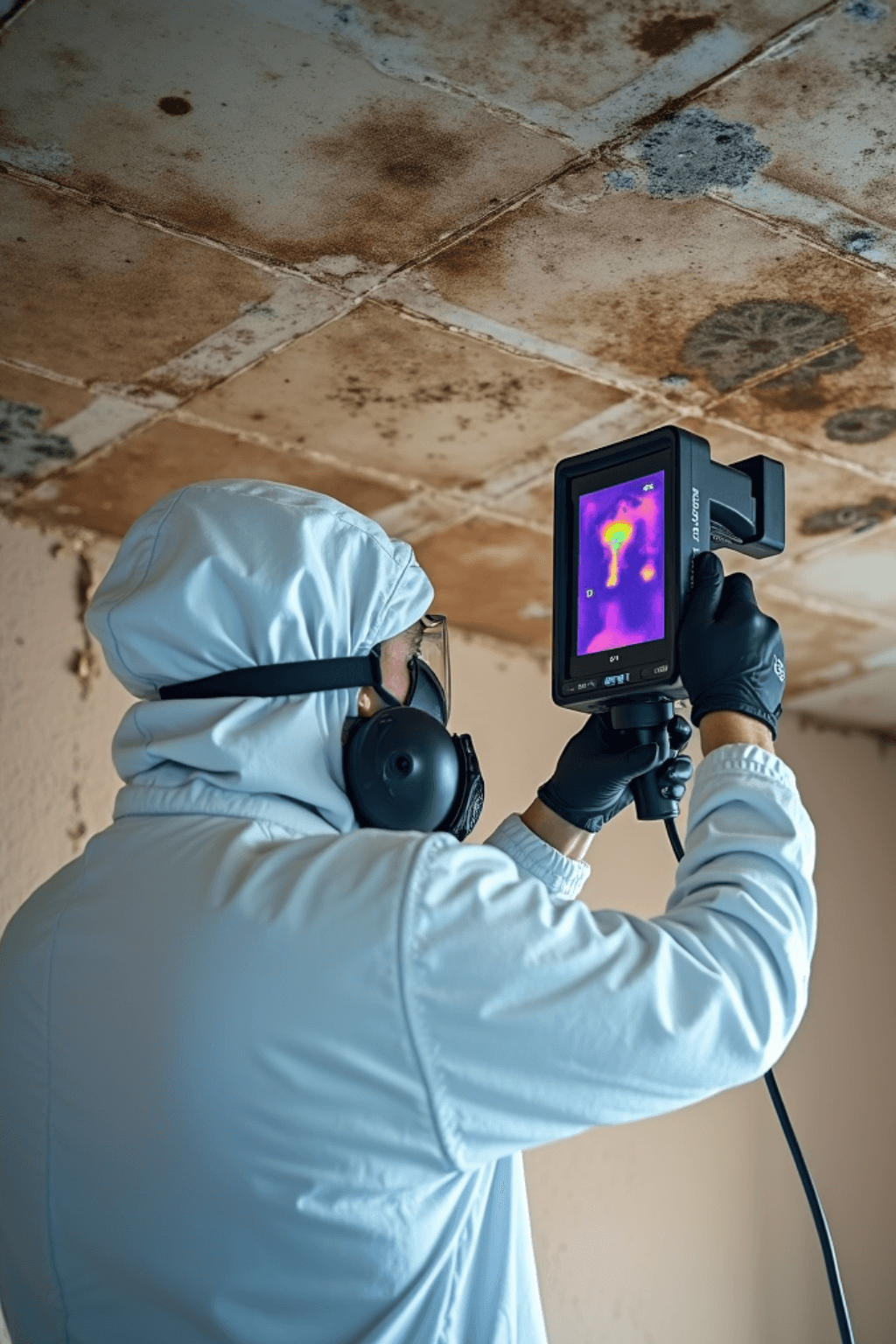
If stormwater is involved, safe access comes before inspecting property damage. Gilbert advises people not to walk, swim, or drive through floodwater and not to drive around barricades.
The Town also warns against wading through water after a storm because it may contain dangerous debris, waste, or downed power lines. Follow official warnings and evacuation instructions rather than entering an unsafe area to check a building.
Read the Town of Gilbert’s flood-safety guidance for official precautions.
Find answers to common questions about water damage assessment, cleanup, drying, repairs, costs, and project arrangements in Gilbert.
Provide your Gilbert property location, the known or suspected water source, and the affected rooms. Explain whether water is still entering and mention sewage, electrical hazards, damaged ceilings, or access restrictions. You do not need to enter unsafe areas to gather more information.
The proposed scope determines the estimate. Relevant factors include affected materials, water conditions, access, extraction, drying, cleaning, removal, debris handling, and repairs. Ask which services are included and which source corrections or specialist tasks are separate.
Extraction removes accessible excess water, but moisture may remain in affected building materials. Assessment findings and follow-up readings help determine the need for continued drying, material removal, or further investigation.
Not automatically. Repairing a pipe, appliance connection, roof opening, or drainage problem is distinct from addressing the resulting water damage. Confirm who is responsible for source correction and how that work will be coordinated with cleanup and repairs.
Ask about available photographs, moisture findings, affected-area information, estimates, and work records for the agreed project. Confirm claim requirements and coverage directly with your insurer. Restoration records do not guarantee claim approval or payment.
The sequence depends on cleanup requirements, moisture findings, material condition, source correction, access, and the proposed repairs. Permits and separately arranged services may affect scheduling. We explain the anticipated stages after assessment rather than promising the same completion time for every property.
Discuss the next steps for your Gilbert property
Call us with your location and a brief description of the damage. We’ll discuss current availability and your assessment, cleanup, drying, and repair needs.