After a leak or overflow, the next step is understanding what the water affected and what needs to happen before repairs begin. Arizona Water Damage Restoration provides water damage restoration in El Mirage, including water removal, structural drying, cleanup, and repairs for homes and businesses.
We explain the recommended work based on assessment findings and clarify which services are included, where further investigation is needed, and which tasks require separate contractors. Call with your property location, the affected rooms, and whether water is still entering to discuss current availability.
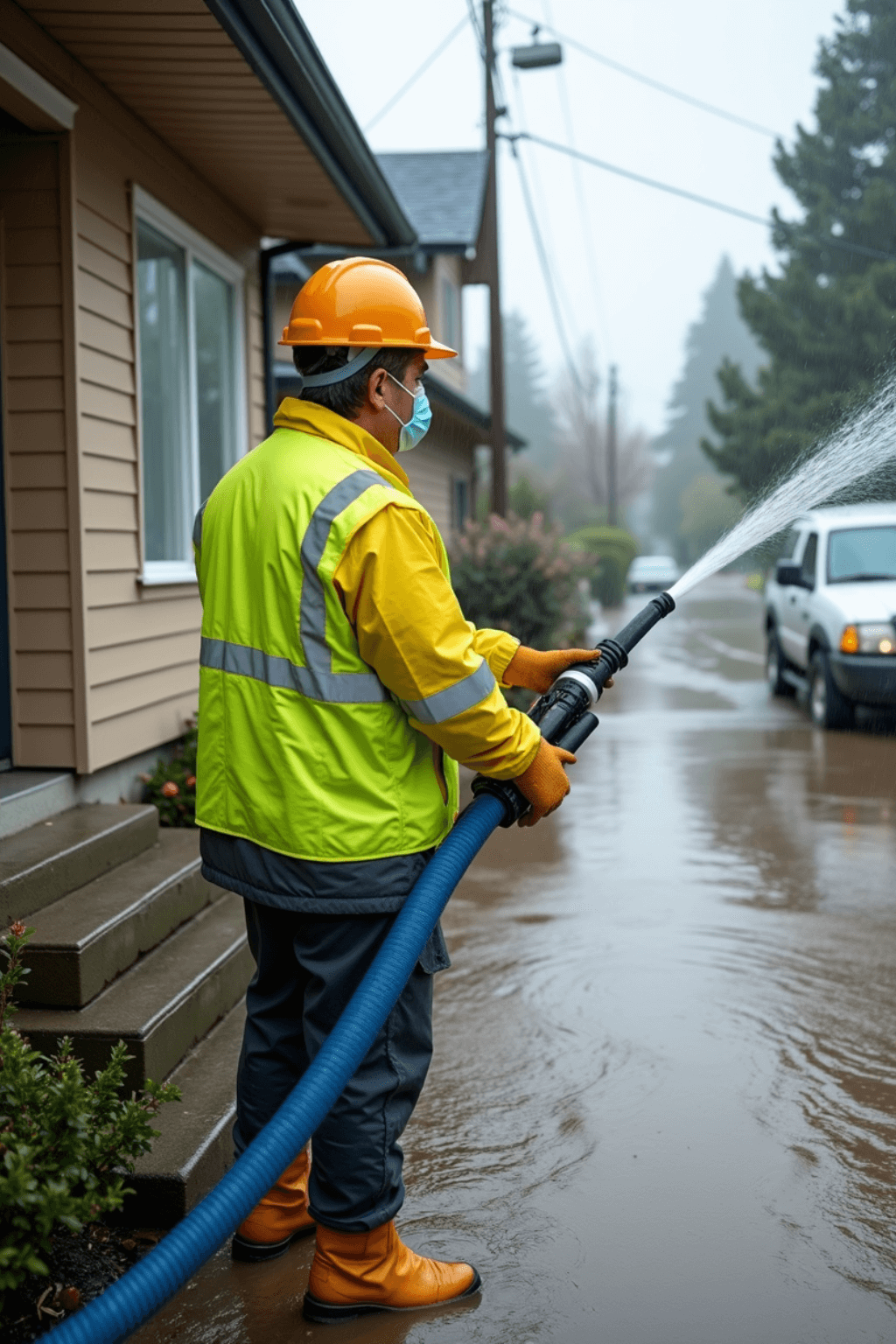
If you have just discovered the problem, start with what you can observe safely. Tell us whether there is standing water, an overflowing fixture, a leaking appliance, water coming through a ceiling, or exterior water entering the building.
Mention whether the source has stopped and explain any sewage, electrical hazards, sagging materials, or access restrictions. You do not need to enter an unsafe area or move damaged materials to gather information before calling.
Keep people and pets away from potentially contaminated water, damaged electrical equipment, and unstable ceilings. Do not touch electrical equipment or operate switches while standing in water. Stop the source only if you can do so safely, and contact emergency services for immediate threats to life or safety.
Just discovered water damage in El Mirage?
Describe what happened, which rooms are affected, and whether water is still entering. We’ll discuss current availability for assessment, water removal, and cleanup.
A wet floor, swollen cabinet, or ceiling stain provides a starting point for assessment. The proposed restoration work also considers the reported source, accessible water path, moisture findings, material condition, and contamination concerns.
Tell us when the damage was discovered, whether the problem has happened before, and what has been done since. Mention any plumbing repairs, appliance work, extraction, or cleanup already completed.
If the source or exposure time is uncertain, say so. Locating or correcting the original problem may require a separate plumbing, roofing, drainage, or other specialist service.
Depending on the reported release and accessible findings, nearby walls, flooring edges, cabinet bases, adjoining rooms, and ceilings below may need attention.
We explain where concealed construction, restricted access, or unsafe conditions limit the assessment. Findings from accessible surfaces do not establish the condition of every hidden space.
The proposed scope explains which materials may be cleaned and dried, which can remain, and which require removal, repair, or replacement.
Recommendations depend on material type, exposure, physical condition, contamination concerns, and moisture findings. We identify decisions that require further access or specialist evaluation before work proceeds.
Extraction, drying, cleanup, and repairs address different parts of a restoration project. The agreed scope identifies the affected areas and explains how the proposed services fit the assessed conditions.
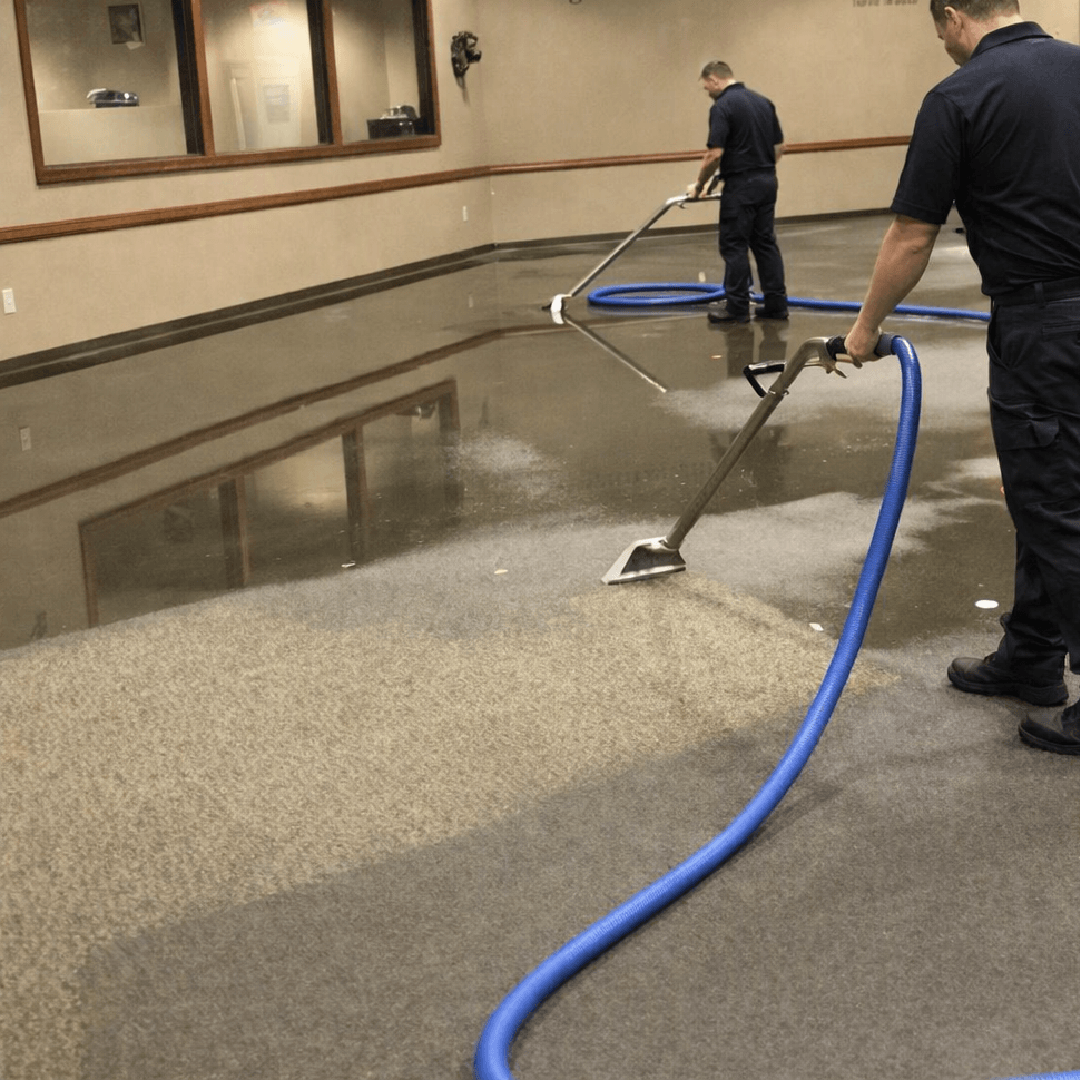
We remove accessible standing water from the spaces included in the agreed work. Water conditions, surface types, the amount of water, and available access influence equipment selection and the removal method.
After extraction, surrounding materials may still require moisture assessment, drying, cleaning, or removal. Removing standing water does not establish that walls, flooring assemblies, or cabinets are ready for repairs.
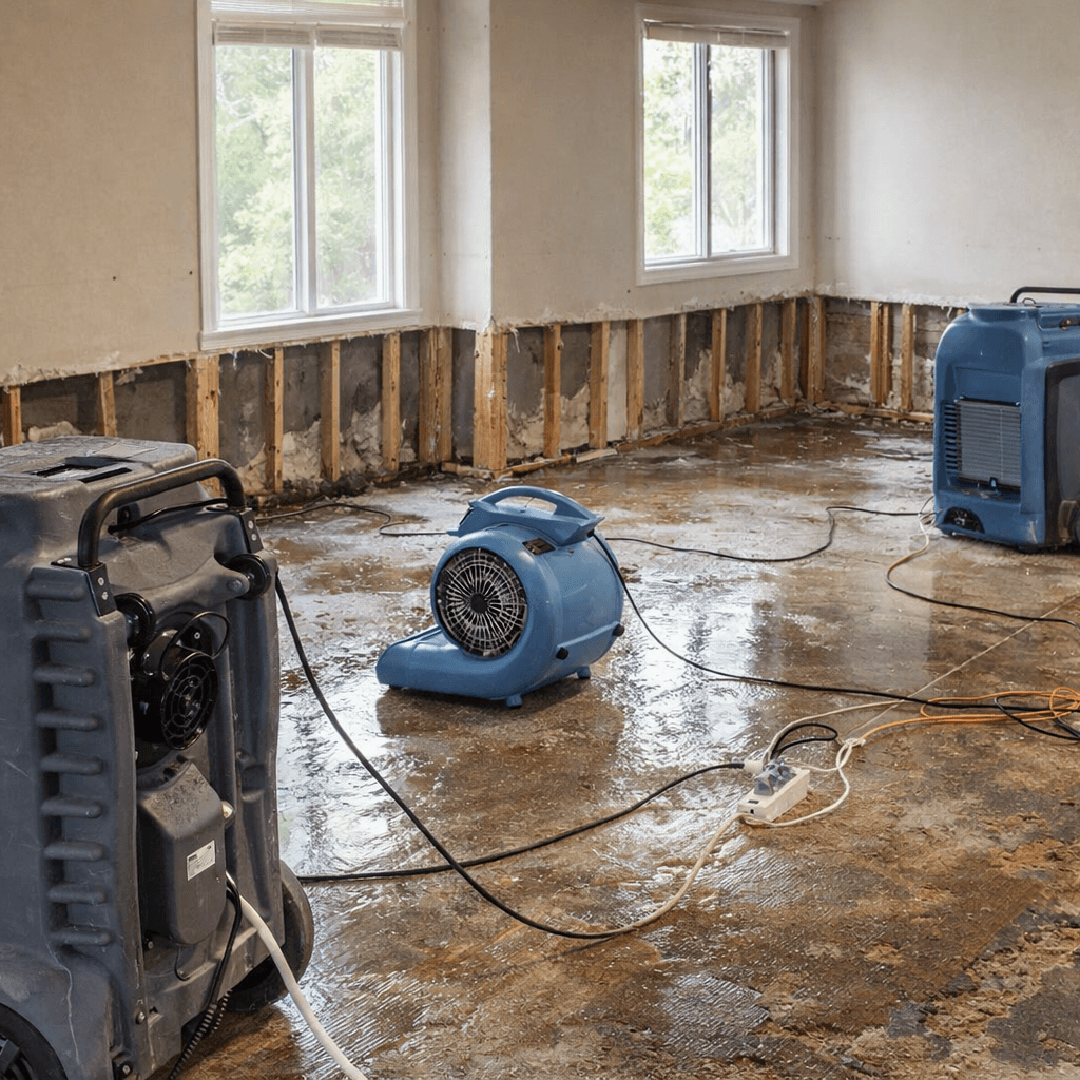
The drying plan accounts for affected materials, room layout, moisture findings, contamination concerns, and access. Depending on the assessment, proposed work may include air movement, dehumidification, access openings, or material removal.
Follow-up readings and observations help determine whether the arrangement needs adjustment or whether further investigation is required before the next stage.
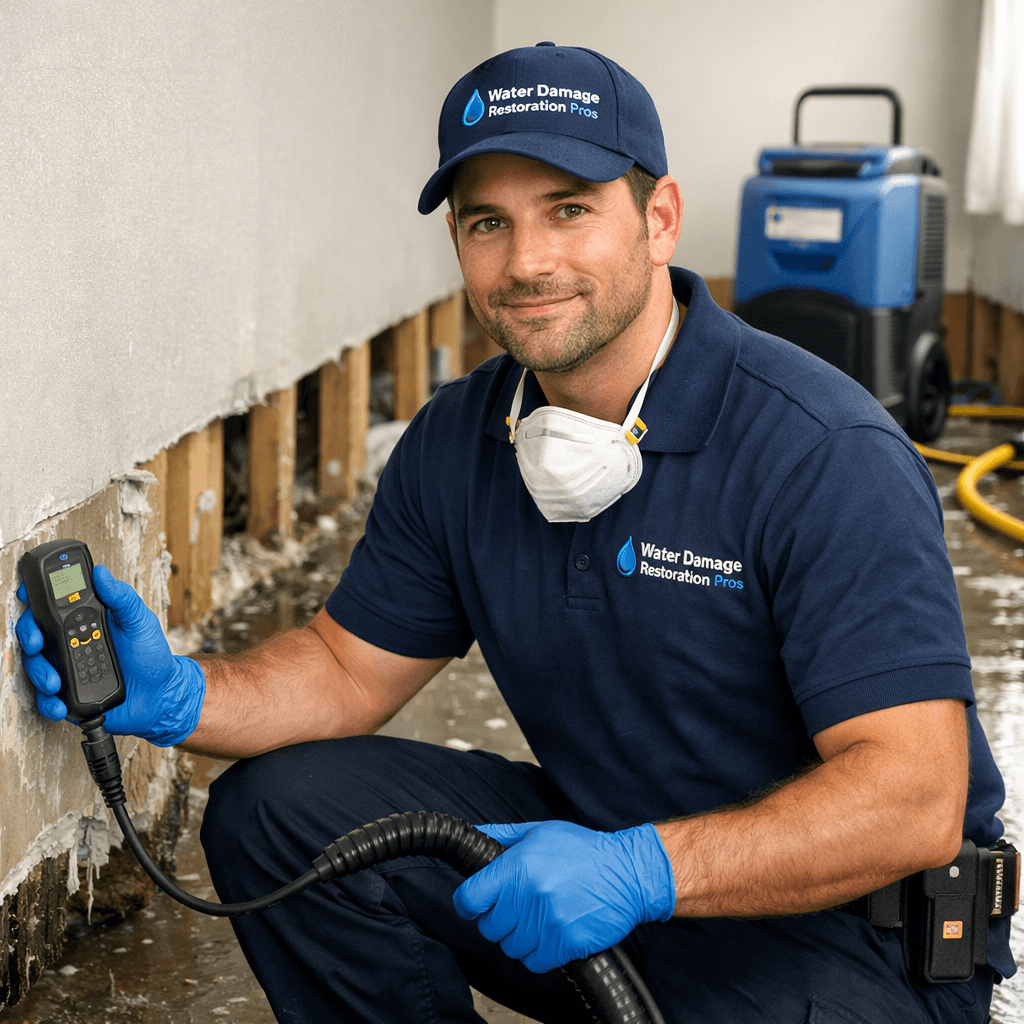
We explain which surfaces are proposed for cleaning and which materials may need removal because of their exposure or condition. Different components within the same room may need different treatment.
The scope also clarifies arrangements for handling removed materials and debris. Mention wastewater, exterior floodwater, or other contamination concerns before work is arranged.
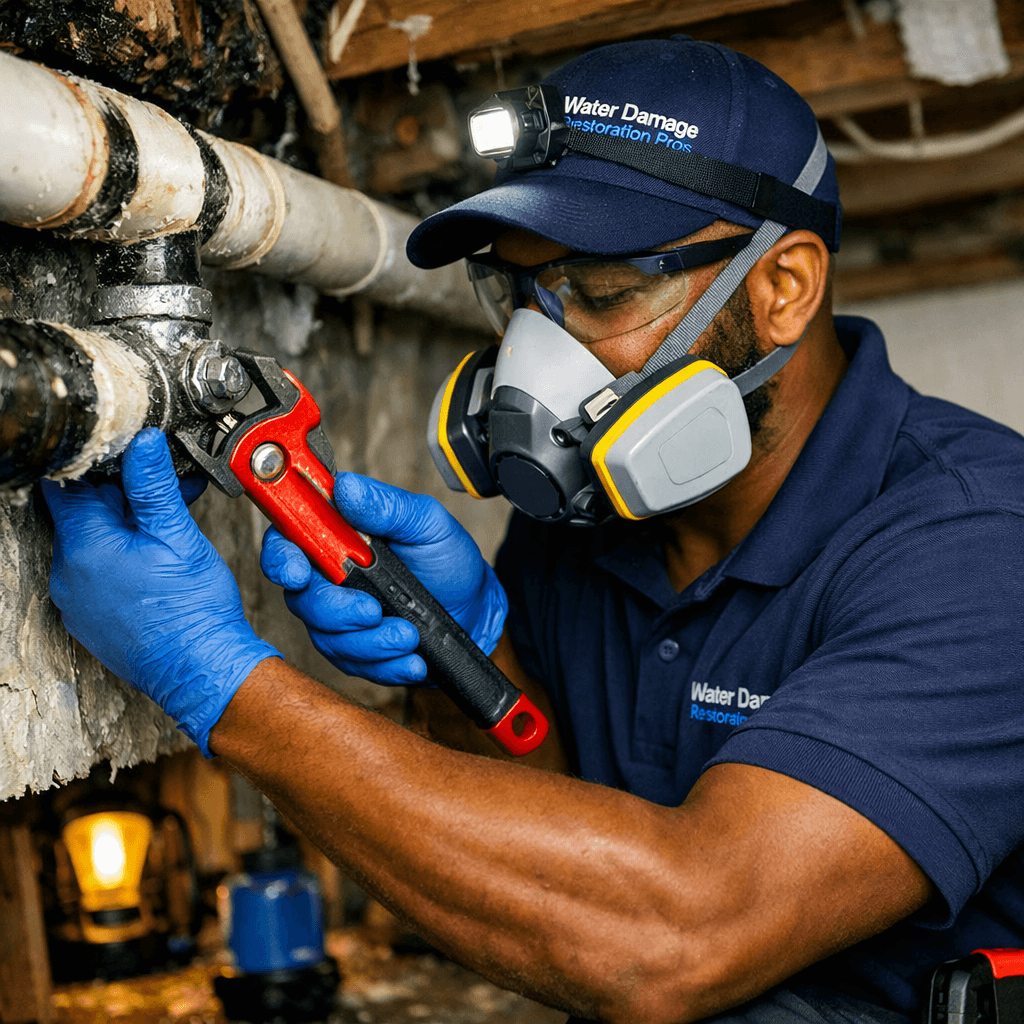
Repair planning may include damaged drywall, ceilings, insulation, flooring, cabinet components, baseboards, and trim. Proposed repairs follow the assessment, cleanup, and moisture-management decisions.
Correcting the original leak or entry point remains a separate consideration. Confirm which plumbing, roofing, drainage, electrical, or other specialist tasks are included and which require separate arrangements.
Discuss the work your El Mirage property needs
Tell us the suspected source, affected spaces, and any work already completed. We’ll discuss assessment, extraction, drying, cleanup, and repair needs.
Water damage may begin inside the building or enter from outside. The circumstances of the release help guide the assessment and proposed cleanup arrangements.
A failed pipe or connection may affect visible finishes and concealed materials. Explain where the leak was found, whether the supply has been stopped, and which nearby surfaces have changed.
If a plumber has already completed repairs, describe what was corrected. Stopping the release does not establish that surrounding building materials are dry or that restoration is complete.
Washing machines, dishwashers, refrigerators, water heaters, sinks, tubs, and toilets can release water into surrounding finishes and building materials.
Identify the appliance or fixture involved and mention any wastewater concerns. Describe water beneath cabinets, near flooring edges, or on ceilings below, even if the immediate surface has already been cleaned.
Water entering through roofing or exterior openings may leave damage away from the apparent entry point. We review accessible findings alongside the reported history and water path.
Interior restoration does not correct an exterior defect. Necessary roofing, drainage, or building-envelope repairs may require separate coordination before permanent interior repairs proceed.
Sewage and exterior floodwater require attention to contamination, safe access, cleaning, material removal, and disposal.
Keep occupants away from affected areas and explain the suspected source before a visit is arranged. Do not enter contaminated spaces or handle wet belongings to prepare for cleanup.
We explain the work in stages so you understand the proposed scope, the findings behind it, and any decisions that depend on further assessment.
STEP 1
Provide the property location, building type, affected rooms, and known or suspected source. Mention ongoing water entry, hazards, and access restrictions.
We discuss current availability and identify who can authorize access and review the proposed work.
STEP 2
We inspect accessible affected areas and consider moisture findings alongside the reported history. This helps define extraction, drying, cleaning, removal, and repair needs.
We explain limitations involving concealed materials, unsafe spaces, or conditions requiring specialist evaluation.
STEP 3
Water extraction, cleaning, material handling, and drying are arranged in a sequence suited to the assessed conditions.
Equipment placement and access requirements follow material decisions, contamination concerns, and the layout of the affected spaces.
STEP 4
Follow-up readings and observations help identify whether further drying, removal, or investigation is needed.
We review proposed repairs and identify source corrections, specialist services, or approval requirements needing separate coordination.
STEP 5
We distinguish completed tasks from outstanding repairs and further actions noted for the property.
Separately arranged services and any remaining moisture-related work are explained rather than assumed to be complete.
Different materials and assemblies may need different treatment. Repair decisions account for the component, surrounding construction, exposure, physical condition, and moisture findings.
We review affected drywall, finishes, insulation, and accessible cavity materials for proposed cleaning, drying, retention, removal, or replacement.
Sagging ceilings, loose materials, and suspected structural damage may require safety assessment or separate professional evaluation before work continues.
Assessment may need to extend beneath carpet, wood, laminate, vinyl, or tile finishes. The visible covering and underlying assembly may have different assessment and repair needs.
We explain which layers are included in the proposed work and where additional access may be required. Appearance alone does not establish whether underlying materials are ready to be covered.
Cabinet bases, shelving, baseboards, and door trim are reviewed according to their condition and the agreed scope. Some components may be considered for retention while others may need removal or replacement.
Tell us about swelling, separation, staining, or changes in adjoining finishes. These observations help describe the damage but do not replace an assessment.
Ask which contents services are included before moving or discarding affected belongings. Furniture repair, electronics evaluation, document treatment, and other specialist work may require separate arrangements.
Visible or suspected mold may also require a separate assessment or remediation scope. Mention these concerns during the initial call so the proposed services and their limits can be discussed.
Restoring damaged materials and correcting the original problem are related but distinct. A drying plan does not repair a failed supply line, and replacing a stained ceiling does not resolve a roof opening.
Before reconstruction begins, clarify who is responsible for source correction, specialist evaluations, and any applicable permits or inspections. Confirm requirements for the complete proposed repair scope with the appropriate local authority.
Where several contractors are involved, identify the property contact responsible for coordinating access and approvals. Keep outstanding tasks clear as the project moves from cleanup to repairs.

Arizona Water Damage Restoration accepts inquiries for El Mirage homes, rental properties, offices, retail spaces, and managed buildings. Provide the full location and ZIP code so current availability can be discussed.
If you are arranging work remotely or for someone else, identify the authorized contact and explain access arrangements. Mention gates, keys, parking restrictions, shared entrances, and building-management requirements.
For occupied properties, describe how nearby rooms are being used. Safety conditions, contamination concerns, equipment placement, and the proposed work affect access arrangements during restoration.
You do not need to determine the full extent of damage before calling. Explain what you know, what remains uncertain, and whether anyone has already inspected or worked on the problem.
If available, have the discovery time, source-repair details, and previous work records ready to discuss. Take photographs only from a safe location, and do not delay necessary safety measures to collect documentation.
Do not remove materials, move equipment, or enter restricted areas simply to prepare for the visit. Ask what preparation is appropriate for the reported conditions.

These answers cover common questions about arranging assessment, cleanup, drying, and repairs in El Mirage.
Yes. Tell us how the water was removed, when the problem was discovered, and which areas were affected. Surrounding materials may still need assessment, drying, cleanup, or replacement even when no standing water remains.
Explain when you first noticed the problem and anything known about the property before that time. You do not need to guess an exposure period. The assessment considers current findings alongside the available history and any limits requiring further investigation.
Not necessarily. Recommendations depend on construction, exposure, physical condition, contamination concerns, and moisture findings. Different components may require different treatment. The proposed scope explains which parts may remain and which require removal, repair, or replacement.
The schedule depends on affected materials, moisture findings, access, contamination concerns, source correction, and the repair scope. Ask how progress will be reviewed and which findings could change the proposed schedule. A completion date should not be assumed before assessment.
Ask about available photographs, moisture findings, estimates, affected-area information, and work records for the agreed project. Confirm coverage, reporting requirements, and payment arrangements directly with your insurer. Restoration documentation does not guarantee claim approval or payment.
Clarify the included areas, services, material decisions, equipment arrangements, repair responsibilities, and exclusions. Ask how changes will be communicated and approved, and confirm who is coordinating source repairs, specialist services, and any required permits or inspections.
Take the next step for your El Mirage property
Call with your location, the affected rooms, and whether the water has stopped. We’ll discuss current availability and the proposed assessment, cleanup, drying, and repair work.