Getting a water-damaged property back into use starts with understanding the affected areas and the work they need. Arizona Water Damage Restoration provides water damage restoration in Tempe, including water extraction, structural drying, cleanup, and repairs for homes and businesses.
Whether you discovered a leaking appliance, water beneath flooring, or damage after a storm, describe what happened and whether the source has stopped. We’ll discuss current availability, assessment arrangements, and the proposed work for your property.
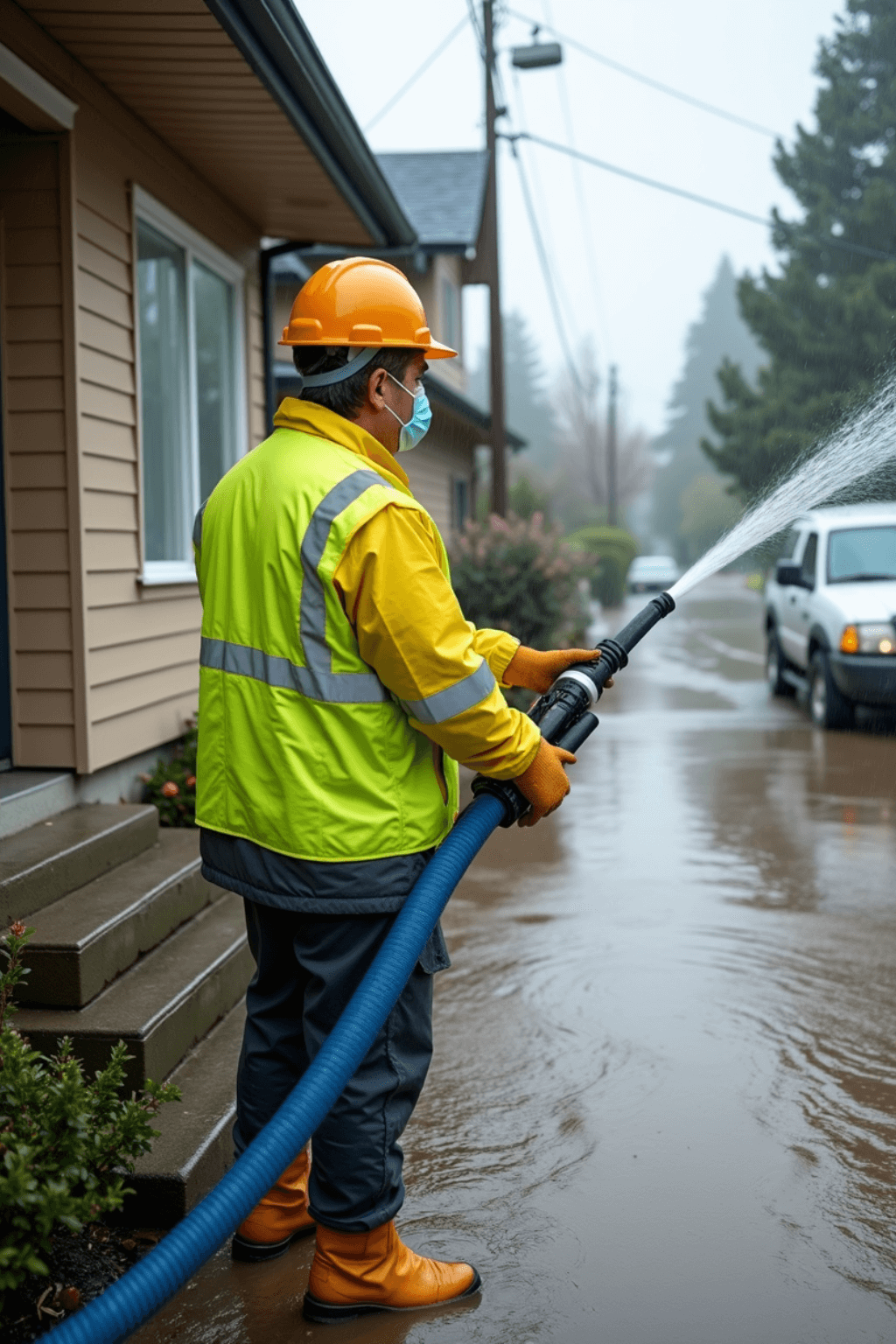
When water is spreading, the immediate questions are whether people are safe, whether the source is continuing, and whether affected areas can be accessed without entering a hazard.
Tell us about sewage, water near electrical equipment, damaged ceilings, or restricted access before a visit is arranged. If the property is occupied, explain whether people are using nearby rooms or shared entrances.
Keep people and pets away from potentially contaminated water and unstable materials. Do not touch switches or electrical equipment while standing in water, and do not stand beneath a bulging ceiling. Stop the source only if you can do so safely. Contact emergency services for immediate threats to life or safety.
Need help with water damage in Tempe?
Describe the affected rooms, whether water is still entering, and any safety concerns. We’ll discuss current availability for assessment and cleanup.
A useful restoration plan explains which areas are included, how affected materials will be addressed, and what remains outside the agreement. We connect the proposed work to the assessment findings rather than assuming every water-damaged room needs the same treatment.
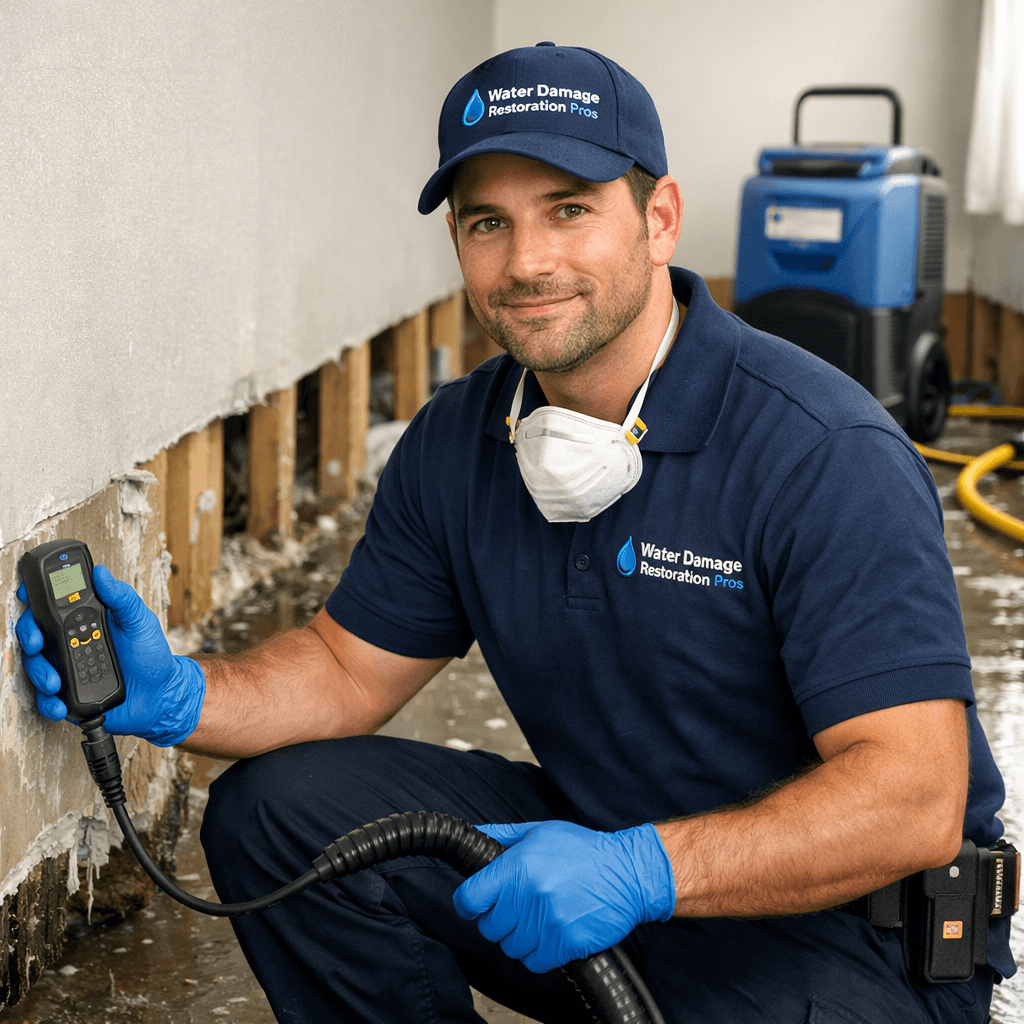
We review accessible surfaces and building materials alongside the reported water source and history. Findings help identify extraction, drying, cleaning, removal, and repair needs.
The inspection may be limited by concealed materials, unsafe conditions, or restricted access. We explain where additional investigation or a separate specialist assessment may be proposed.
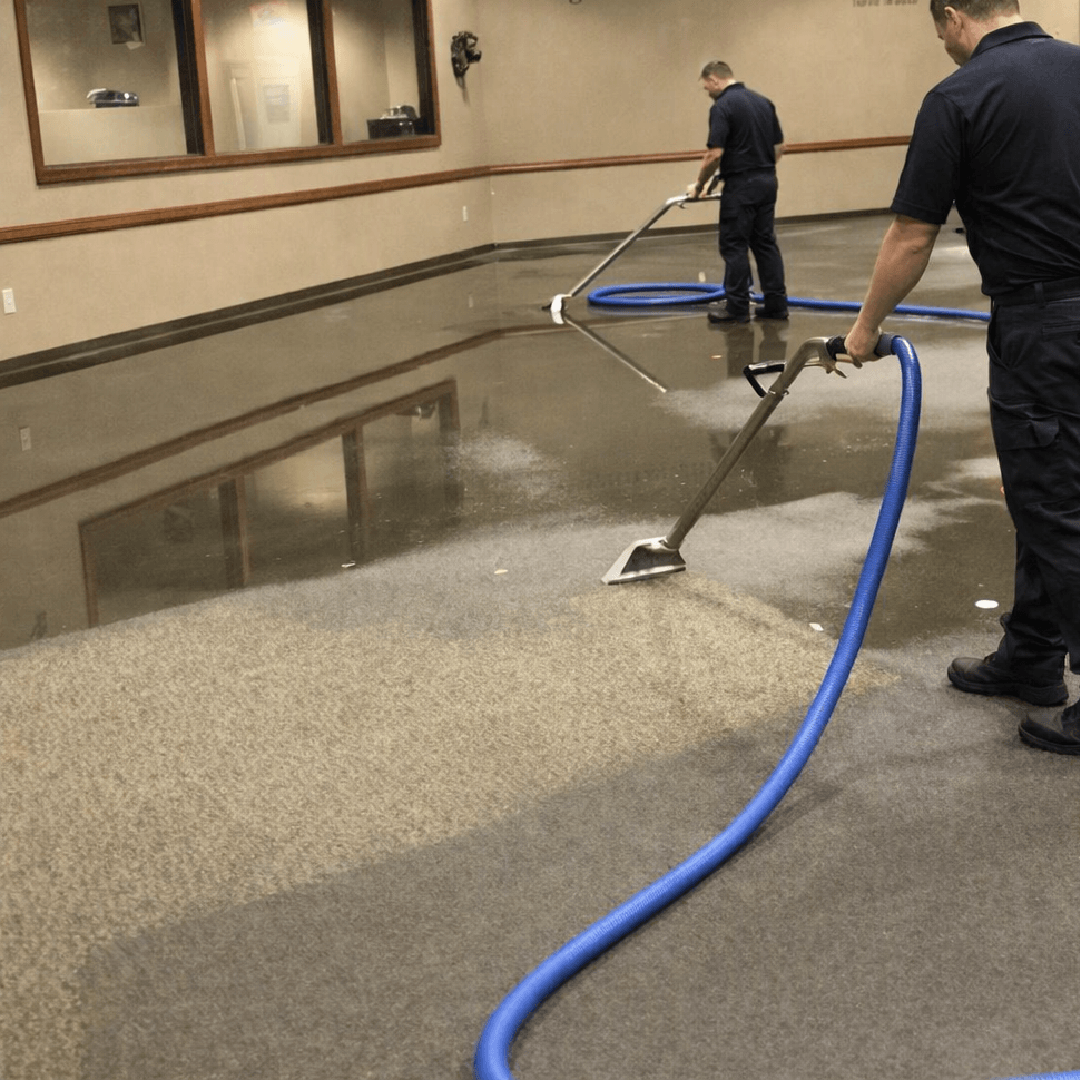
We remove accessible standing water from the agreed spaces. Water depth, surface types, access, and water conditions influence the extraction method and equipment selection.
Once excess water is removed, surrounding components may still need moisture assessment. A clear floor does not establish that the layers beneath it or nearby walls and cabinets are dry.
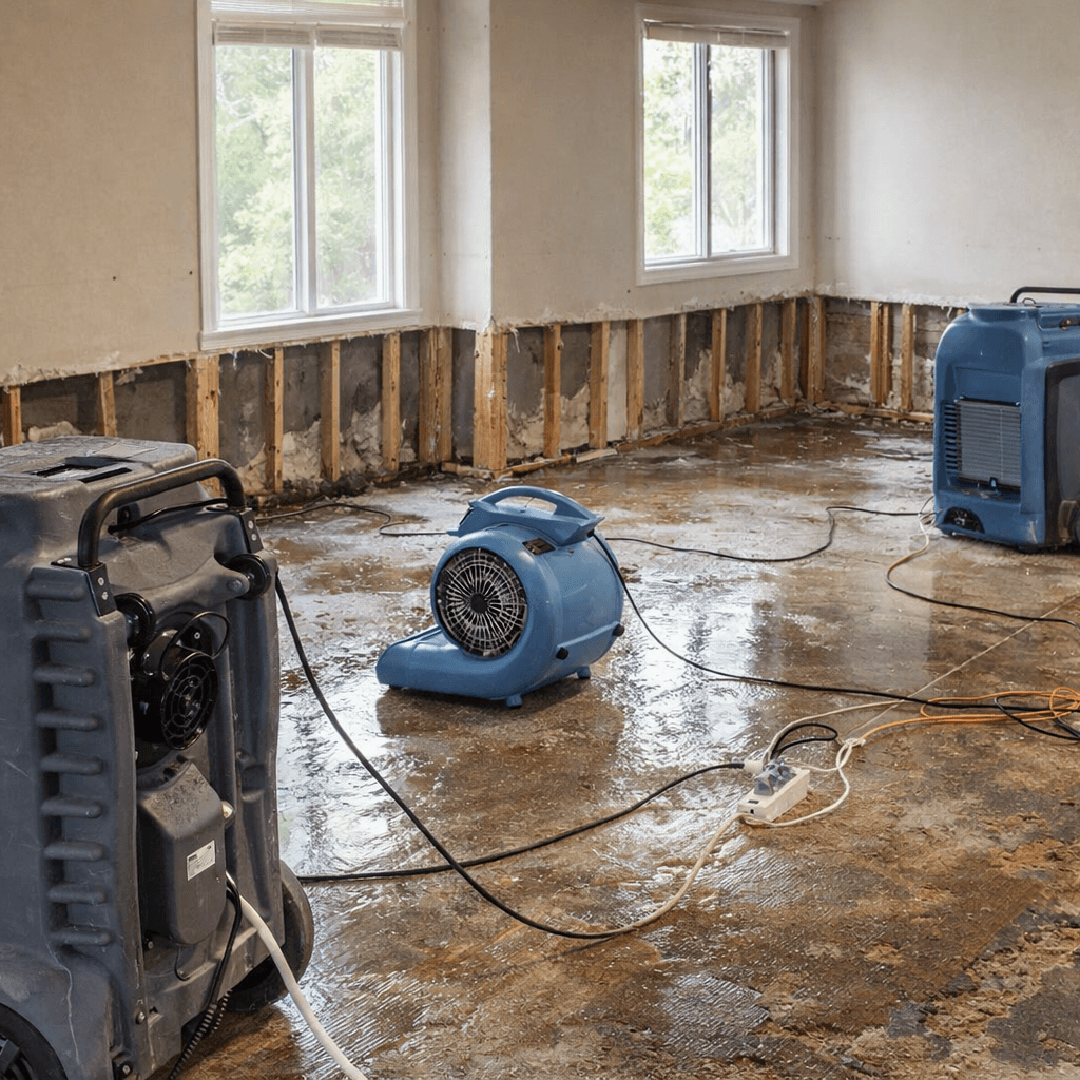
Drying, cleaning, and material removal are planned together according to the assessed conditions. Air movers and dehumidifiers may support drying where appropriate.
Equipment placement and operation follow material condition, room layout, contamination concerns, and moisture findings. Follow-up readings help determine whether adjustments or further attention are needed.
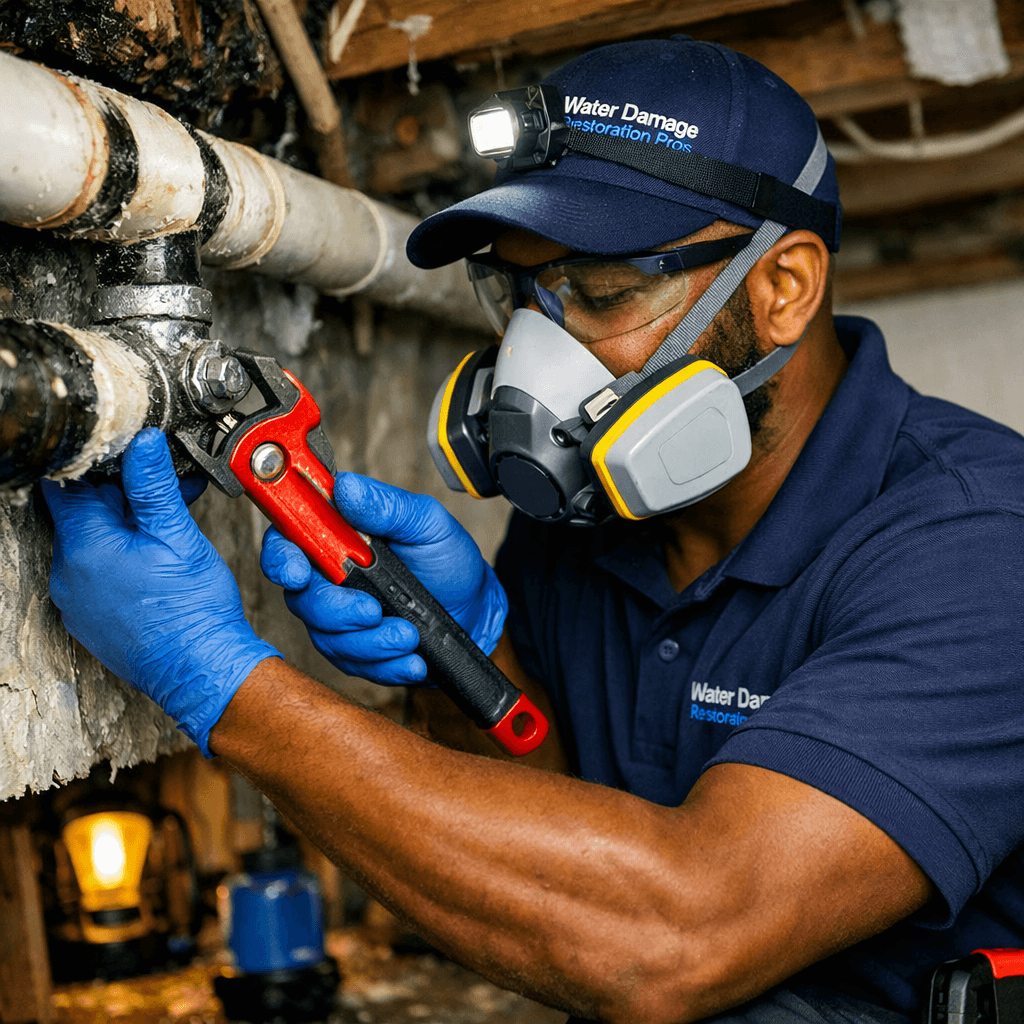
The repair scope may include affected drywall, ceilings, insulation, flooring, cabinets, baseboards, and trim. We explain which components are proposed for retention, repair, removal, or replacement.
Correcting the original leak or entry problem is distinct from repairing the resulting damage. Plumbing, roofing, electrical, structural, and other specialist work may require separate arrangements.
Access and communication matter when a building is still being used. Tell us who can authorize work, which spaces are occupied, and whether the affected area connects to another room, unit, or business space.
For a home or rental property, describe affected living areas, bathrooms, kitchens, and utility spaces. Mention whether the damage extends toward an adjoining room or a ceiling below.
If you are a tenant, identify the owner or property manager who can approve the proposed work. If you are arranging assistance remotely, explain who can provide access and receive project updates.
For commercial properties, explain operating hours, customer access, deliveries, and building-management requirements. These details help clarify the proposed assessment and equipment arrangements.
Do not assume an affected space can remain occupied during restoration. Safety conditions, contamination concerns, material removal, and equipment placement must be considered.
Talk through the work your Tempe property may need
Tell us the suspected source, affected spaces, and any access or occupancy restrictions. We’ll discuss assessment, water removal, drying, cleanup, and repair needs.
You do not need to diagnose a concealed problem before requesting help. Describe where water first appeared, when it was noticed, and what has changed since then.
A broken pipe or failed connection may release water inside a wall, beneath a fixture, or near utility equipment. Accessible damage may extend into flooring, cabinets, ceilings, or adjoining rooms.
Tell us whether the supply has been stopped. Locating and repairing the plumbing problem may require a separate service from the restoration of affected materials.
Washing machines, dishwashers, refrigerators, water heaters, sinks, tubs, and toilets can release water into surrounding finishes and building materials.
Identify the appliance or fixture involved and mention wastewater concerns. Describe water at flooring edges, beneath cabinetry, or on ceilings below, even if the immediate surface has already been wiped up.
Water entering through roofing, exterior openings, or drainage routes may affect finishes and concealed spaces away from the apparent entry point.
We assess accessible damage alongside the reported water path. Roof, drainage, or building-envelope repairs may need separate coordination because interior cleanup does not correct the entry defect.
Sewage and exterior floodwater require attention to contamination, cleaning, material removal, disposal, and safe access.
Keep occupants away from affected areas and explain the suspected source when calling. Avoid handling wet belongings or entering contaminated spaces to prepare for a service visit.
We explain the project in stages, including where decisions depend on further access, moisture findings, or separately arranged work.
STEP 1
Provide the property location, known or suspected water source, affected rooms, and any hazards. Explain whether water is still entering and who can authorize access and work.
We discuss current availability and arrangements for the proposed assessment.
STEP 2
We inspect accessible damage and review moisture findings in the context of the reported history. This helps define proposed extraction, drying, cleaning, removal, and repair tasks.
We explain assessment limitations and any proposed need for further access or specialist evaluation.
STEP 3
Water removal, cleaning, material handling, and drying are carried out in a sequence suited to the assessed conditions.
Equipment and access arrangements follow the material decisions, contamination concerns, and layout of the property.
STEP 4
Follow-up readings and observations help determine whether additional drying, removal, or investigation is needed.
We review repair requirements and identify source corrections, specialist services, permits, or inspections needing separate coordination.
STEP 5
At the final review, we distinguish work completed under the agreed scope from outstanding repairs and further actions noted for the property.
Remaining moisture-related tasks or separately arranged services are explained rather than assumed to be complete.
Tempe Building Safety oversees residential and commercial construction and remodeling. Confirm the requirements for the complete repair scope rather than assuming water extraction, finish repairs, and building-system changes follow the same approval process.
The City’s residential plan-review guidance covers single-family residences, duplexes, and townhomes. Its commercial review process addresses projects such as tenant improvements and structural modifications.
Use the Tempe Permit Center to confirm applicable permits, plans, and inspections before regulated work begins. The City’s plan-review information provides guidance for different project types.
The proposed treatment depends on exposure, contamination concerns, construction, physical condition, accessibility, and moisture findings. Appearance alone does not determine whether a component can remain.
Carpet, underlay, wood, laminate, vinyl, tile assemblies, and subfloors may require different assessment and repair decisions. Further access may be needed beneath a visible finish.
We explain which layers are included in the proposed work and whether cleaning, drying, removal, repair, or replacement is recommended.
We review affected finishes, drywall, insulation, and accessible cavity materials. Concealed areas may require closer investigation before the repair scope can be established.
Sagging ceilings, loose materials, and suspected structural damage may require safety assessment or separate professional evaluation.
Cabinet bases, shelving, baseboards, door trim, and accessible belongings are reviewed according to the agreed scope.
Ask which contents services are included. Furniture repair, electronics evaluation, document treatment, and other specialist work may need separate arrangements.
Visible or suspected mold may require a separate assessment or remediation scope. Mold remediation is not interchangeable with the complete water damage restoration process.
Fire and smoke damage restoration should also not be assumed to be included. Mention related concerns during the initial call so the proposed arrangements can be discussed.

Tempe advises people to avoid flooded areas and low-water crossings, keep children away from creeks and washes during heavy rain, and stay away from downed power lines.
Do not play or swim in floodwater, which may contain chemicals and bacteria. Follow traffic controls and barricades rather than taking an unsafe route to inspect a property or meet a contractor.
The City distinguishes reports of street and park flooding from flooding inside private homes, which it states it cannot respond to. Read Tempe’s storm and monsoon guidance for official precautions and reporting information.
Arizona Water Damage Restoration accepts inquiries for Tempe homes, rental properties, offices, retail spaces, and managed buildings. Provide the full property location and ZIP code so availability can be discussed.
Mention parking, gates, keys, shared entrances, and any restrictions on working hours. Clear access information helps establish practical arrangements for assessment and the proposed work.
For broader coverage information, visit our Arizona water damage restoration homepage. Availability depends on location, required work, safe access, and current scheduling.

These answers address common questions about arranging assessment, cleanup, drying, and repairs in Tempe.
Identify the owner, property manager, or other person authorized to approve access and work. Tenants can report the conditions, but approval arrangements should be clarified before the proposed work proceeds. Mention any shared spaces or adjoining units that may be affected.
Yes. Explain whether water is still entering and what source-repair arrangements have been made. Assessment and cleanup planning may need to be coordinated with a plumber or another contractor, depending on conditions and safe access.
Describe when the incident occurred and what cleanup or drying was attempted. A dry-looking finish does not establish the condition of concealed or underlying materials. Assessment findings help determine whether further work is proposed.
Compare the included areas, tasks, material decisions, and separately arranged services rather than the total alone. Clarify extraction, drying, cleaning, removal, debris handling, repairs, and how proposed changes will be discussed.
Ask about available photographs, moisture findings, estimates, affected-area information, and work records for the agreed project. Confirm claim requirements and coverage directly with your insurer. Restoration records do not guarantee approval or payment.
Explain operating hours and access requirements when calling. The proposed arrangements depend on safety conditions, contamination concerns, equipment placement, material removal, and the agreed work. Continued use of an affected area should not be assumed before assessment.
Discuss the next steps for your Tempe property
Call with your location, the affected rooms, and whether the water has stopped. We’ll discuss current availability and the proposed assessment, cleanup, drying, and repair work.