After water damages a property, removing the visible water is only part of the job. You also need to understand which materials are affected, what can remain, and what must be addressed before repairs. Arizona Water Damage Restoration provides water damage restoration in Cashion for homes and businesses, including extraction, structural drying, cleanup, and repair planning.
Tell us what happened, where damage is visible, and whether the source has stopped. We’ll discuss current availability and explain how the assessment helps define the work—not assume that every room or material needs the same treatment.
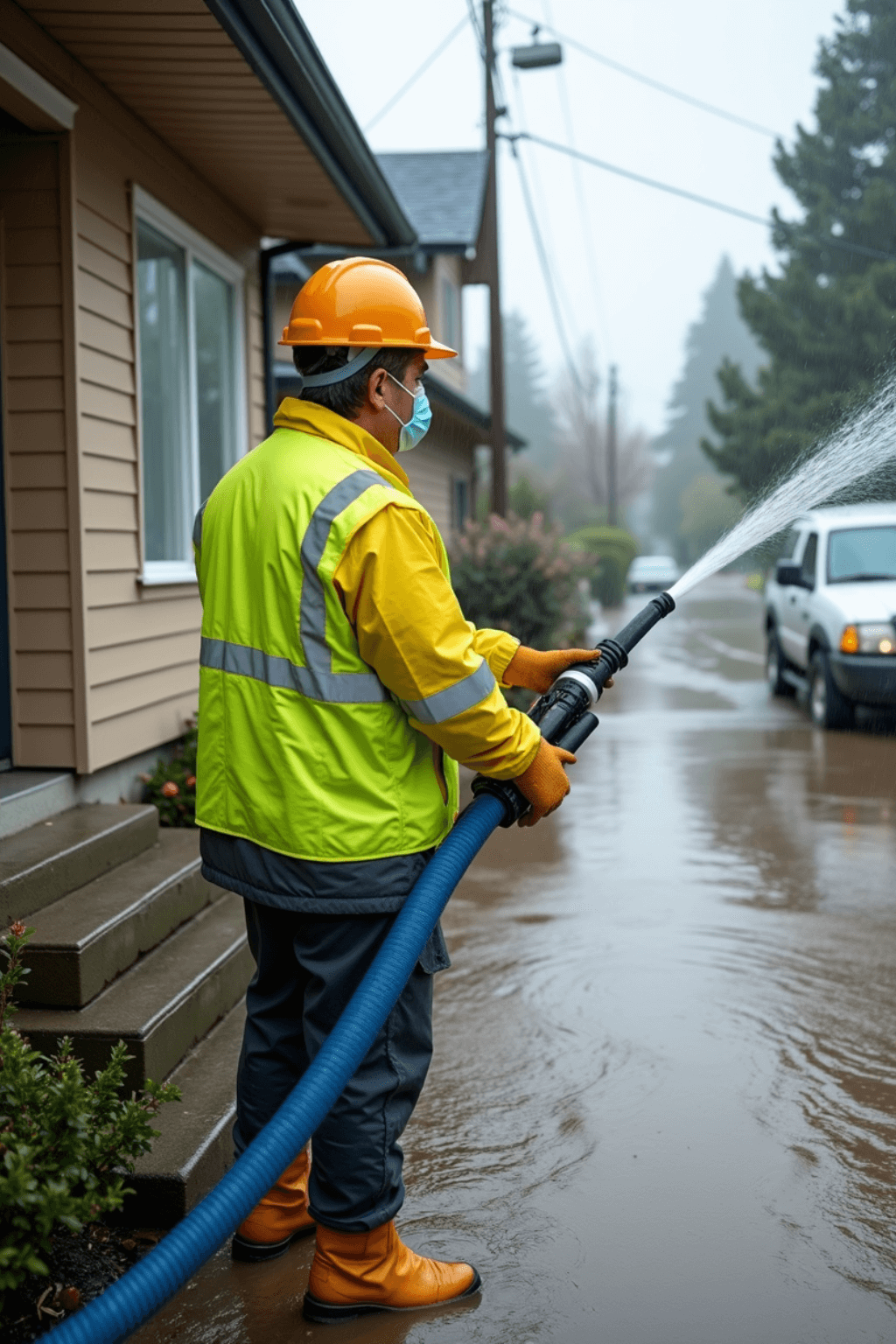
You do not need a complete damage report before calling. Describe where water is visible, whether standing water remains, and which rooms or materials appear affected. Explain whether the leak or other source has stopped.
Tell us about any extraction, cleaning, drying, or material removal already completed. Mention electrical hazards, suspected sewage contamination, unstable ceilings, or access restrictions before a visit is arranged.
If you do not know when the release began or where it originated, say so. Explain what you observed rather than entering concealed spaces or guessing about the cause.
Need help with water damage in Cashion?
Call with the property address, the current conditions, and whether water is still entering. We’ll discuss availability for assessment, water removal, and cleanup.
For an active leak, overflow, or standing-water problem, describe the affected spaces and any work already underway. Mention whether a plumber, property manager, or another contractor has attended.
Keep people and pets away from potentially contaminated water and unstable areas. Do not touch electrical equipment or operate switches while standing in water. Stop the source only if you can do so safely, and contact emergency services for immediate threats to life or safety.
Do not cross a hazardous area to reach a valve or electrical panel. You also do not need to pull up flooring, open walls, or move wet belongings before requesting assistance.

The proposed work should give you a clear connection between the findings and the services recommended. It should also identify limits, exclusions, and decisions that depend on further investigation.
We review accessible affected spaces and consider whether adjoining rooms, nearby walls, cabinet bases, flooring edges, or ceilings below need attention. Tell us about changes outside the room where water first appeared.
The agreement identifies the areas included. A room, separate building, or additional unit should not be assumed to fall within the scope unless it is specified.
Recommendations consider material type, exposure, physical damage, contamination concerns, and moisture findings. Some components may be considered for cleaning and drying, while others may require removal or replacement.
Concealed construction, restricted access, and unsafe conditions can limit the assessment. We explain where further access or specialist evaluation is needed.
Source correction, property restoration, contents services, and specialist repairs are related tasks, but they are not automatically included in one agreement.
Clarify who is handling the original leak, any required approvals, and services provided by others. Previous extraction or cleanup should also be distinguished from work still outstanding.
The agreed services follow the assessed conditions and the work authorized. We explain how extraction, drying, cleanup, and repairs fit together and identify decisions that remain dependent on further findings.
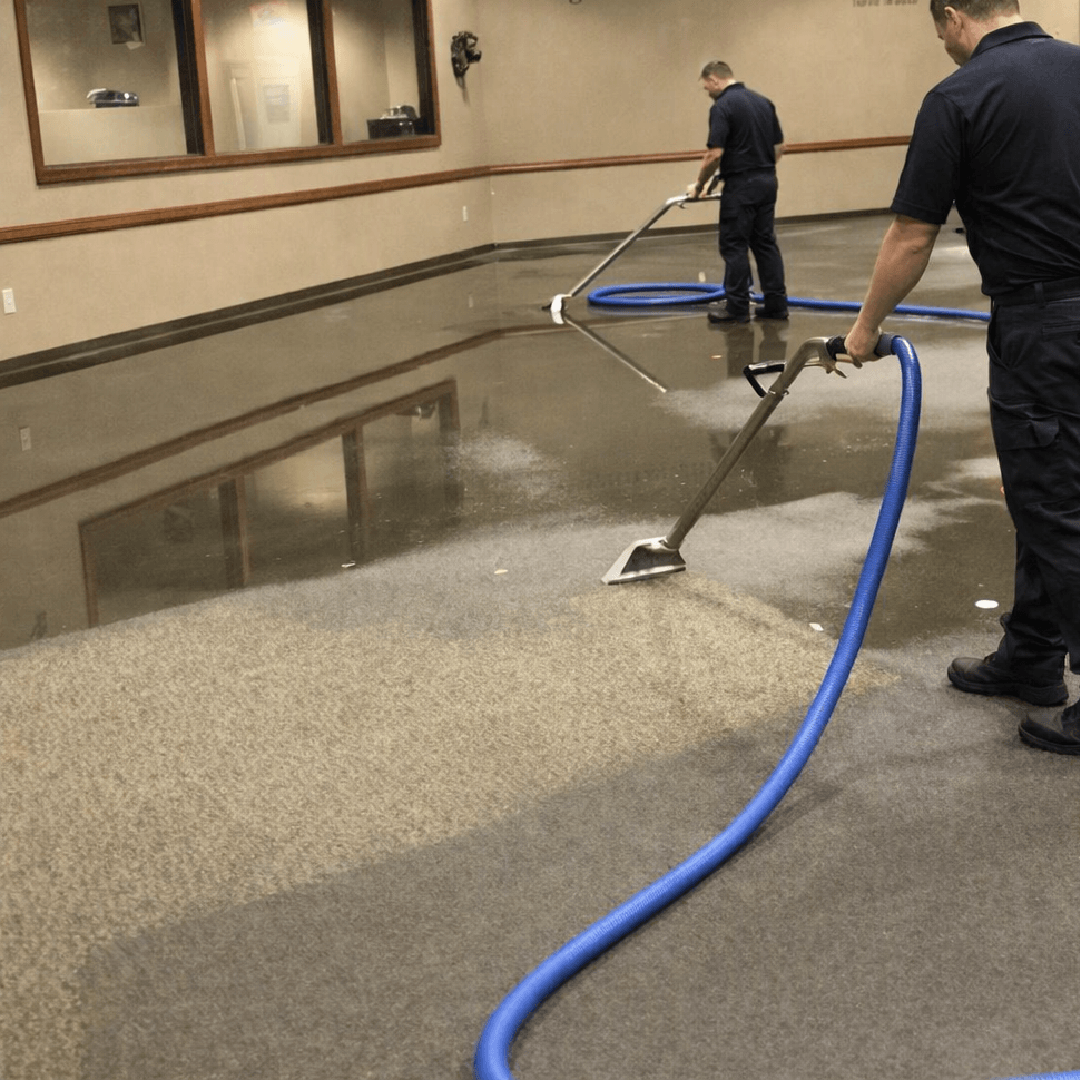
We remove standing water from accessible spaces included in the agreed work. Water conditions, surfaces, the amount of water, and available access influence the removal method and equipment selection.
Once visible water is removed, surrounding materials may still need assessment and treatment. Extraction alone does not establish that walls, flooring assemblies, or cabinets are ready for repairs.
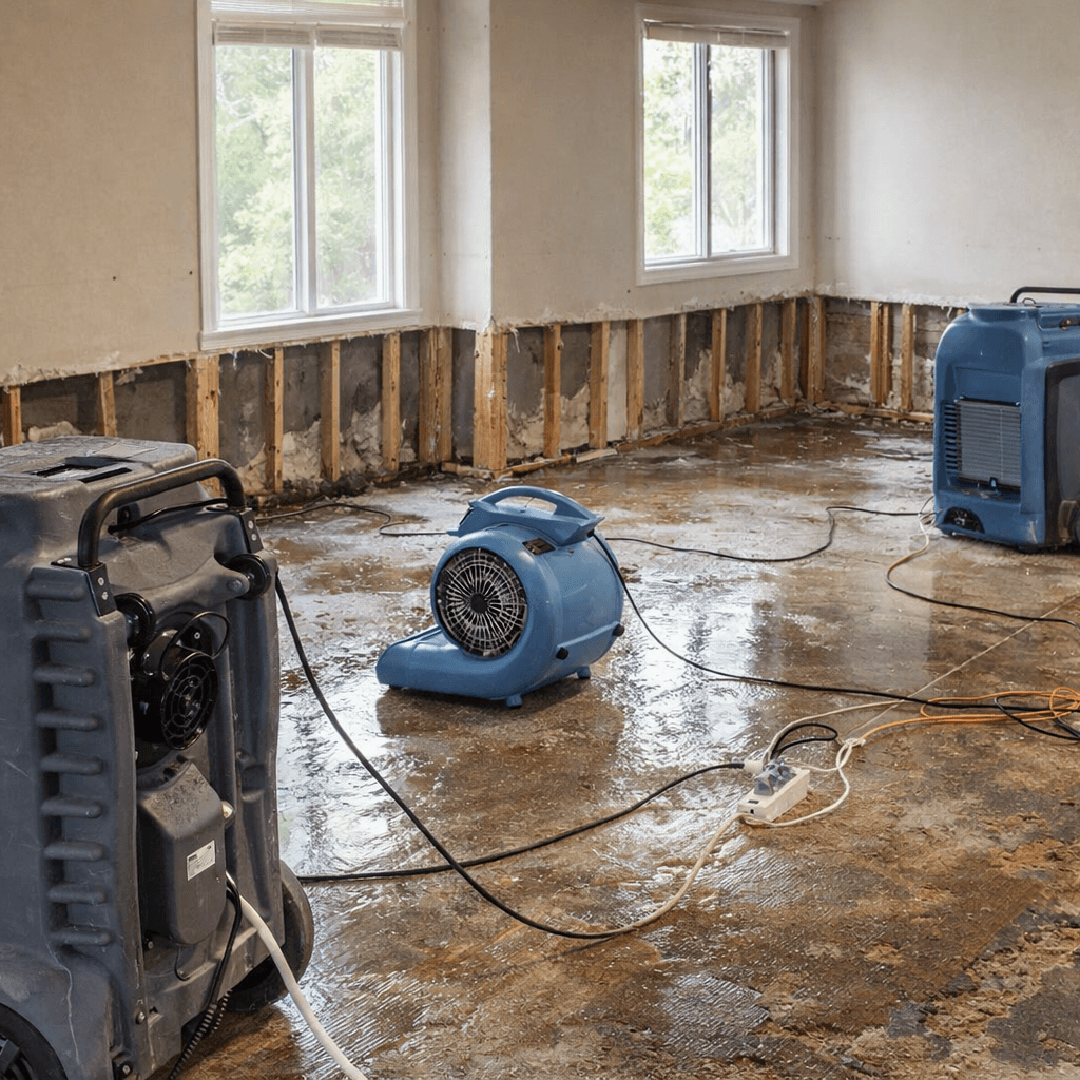
We consider accessible moisture findings alongside the reported incident and the condition of affected materials. The drying plan accounts for room layout, contamination concerns, construction, and access.
Depending on the assessment, proposed work may include air movers, dehumidifiers, access openings, or material removal. Follow-up readings and observations help determine whether the arrangement needs adjustment or further investigation.
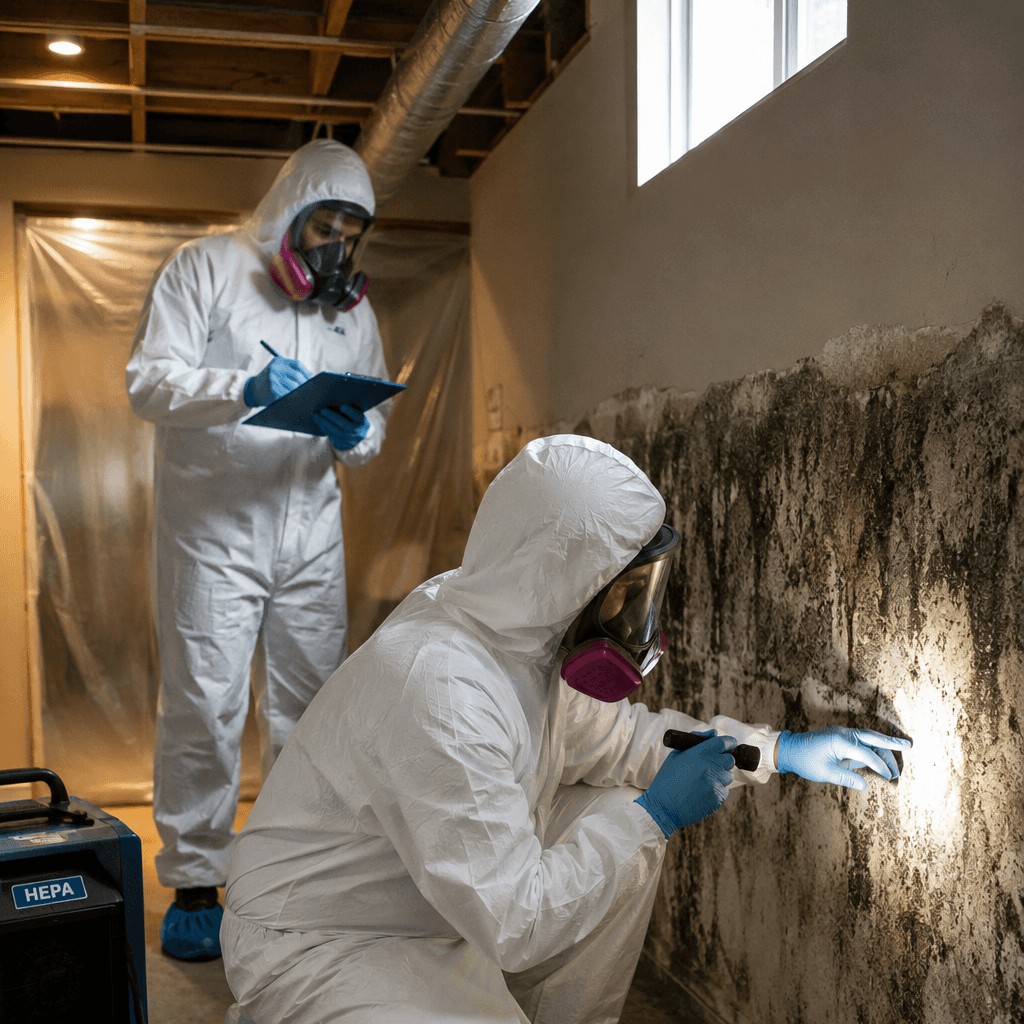
The cleanup scope identifies surfaces proposed for cleaning, materials proposed for removal, and arrangements for handling debris. Porous and non-porous components may need different treatment.
Explain sewage, wastewater, or exterior floodwater concerns before a visit is arranged. Confirm that the reported conditions fall within the available services rather than assuming every type of cleanup is included.
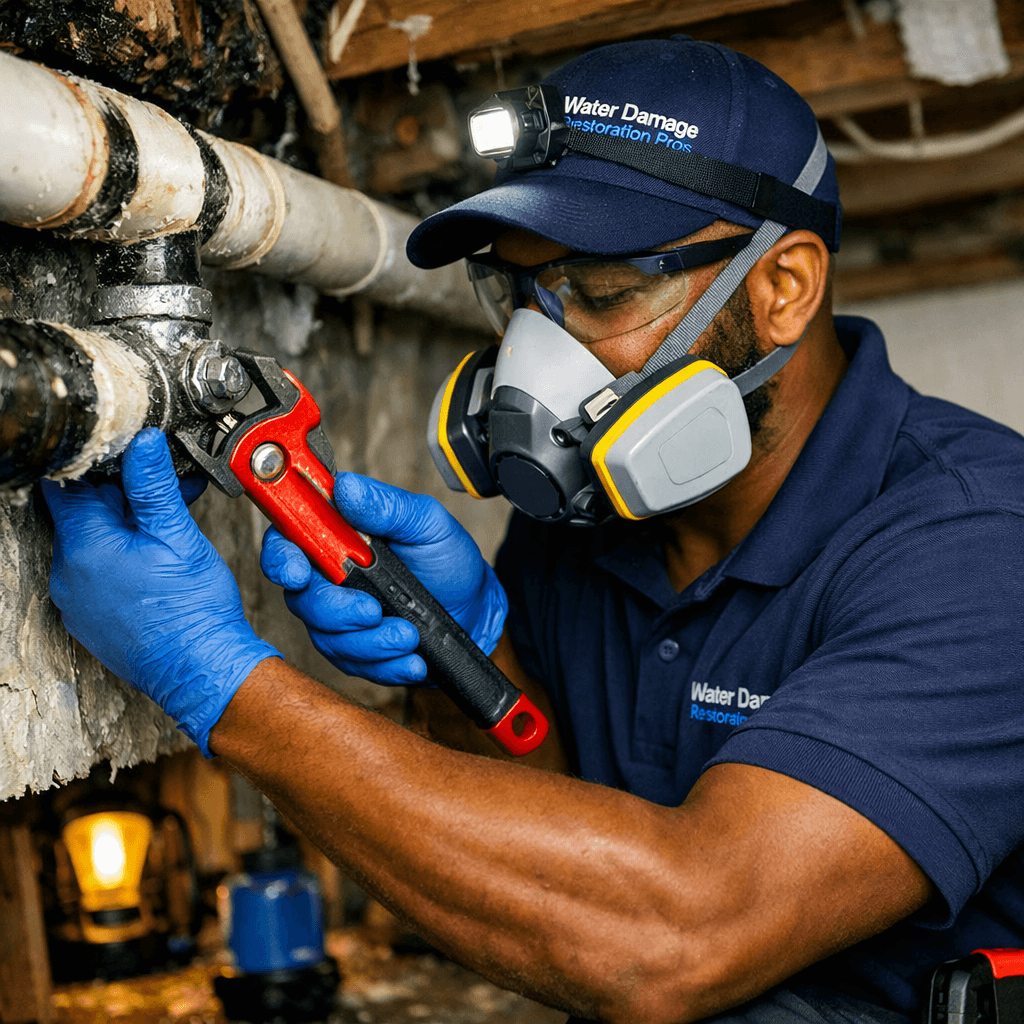
Repair planning may address drywall, ceilings, insulation, flooring, cabinet components, baseboards, trim, and paint finishes. The proposed repairs follow the relevant cleaning, material, and moisture findings.
Plumbing, roofing, electrical, HVAC, and other specialist repairs remain separate unless expressly included. Replacing a damaged finish does not correct the original leak or entry point.
The circumstances of the release help guide the assessment. Explain what you know about the source, what remains uncertain, and whether the problem has happened before.
Tell us whether the release involved a pipe, connection, sink, tub, toilet, or other fixture. Explain where water was found and whether the supply has been stopped.
If a plumber has completed repairs, provide the available details. Source correction helps explain the incident but does not establish that surrounding materials are dry.
A washing machine, dishwasher, refrigerator connection, or water heater may release water into surrounding floors, walls, cabinets, and belongings.
Identify the appliance and describe water beneath cabinets, along flooring edges, or in adjoining spaces. Appliance diagnosis and repair are separate from restoring the property unless included in the scope.
Explain when the damage appeared and whether it followed rain or another event. The assessment considers accessible findings alongside the reported water path.
Roofing, drainage, or building-envelope work may require separate coordination. Interior repairs should not be treated as a substitute for correcting an exterior defect.
Describe water around air-conditioning equipment or associated drainage and explain whether an HVAC contractor has investigated.
Equipment diagnosis and source correction may require a separate qualified contractor. Restoration addresses the affected building materials within the agreed work.
Explain where water entered, whether the source is known, and whether contamination is suspected. These details affect discussions about safe access and available cleanup services.
Keep occupants away from potentially contaminated spaces. Do not enter floodwater or handle affected belongings to prepare for a visit.
Discuss what still needs attention
Whether cleanup has just started or the leak is already repaired, describe the remaining damage. We’ll discuss assessment, drying, cleanup, and repair needs for your Cashion property.
A replacement decision should account for the component and its surrounding construction—not just the appearance of one surface.
Assessment may involve drywall, ceiling finishes, insulation, and accessible cavity materials. The proposed work identifies components considered for retention, cleaning, drying, removal, or replacement.
Sagging ceilings, loose materials, and suspected structural damage may require safety assessment or separate professional evaluation before work continues.
Carpet, wood, laminate, vinyl, and tile finishes may have different needs from the materials beneath them. Confirm whether the scope includes underlayment, subflooring, or a concrete substrate as applicable.
Report swelling, separation, staining, or changes along flooring edges. Appearance alone does not establish whether underlying materials are ready to be covered.
Cabinet bases, shelving, baseboards, and door trim are reviewed according to their condition and the agreed scope. Different components may receive different treatment.
Ask which belongings and contents services are included before moving or discarding items. Furniture repair, electronics evaluation, and document treatment may require separate arrangements.
Tell us about repeated staining, earlier leaks, recurring dampness, or visible or suspected indoor mold. Further source investigation or a separate remediation scope may be necessary.
Mold remediation is not automatically included in every water damage cleanup. Clarify any proposed assessment, containment, removal, specialist evaluation, and moisture-source correction before authorizing work.
A drying plan does not guarantee that concealed areas are free of mold. The assessment should explain its limits and any recommendations for further investigation.

Each stage helps distinguish the conditions found, the work authorized, and the responsibilities still outstanding.
STEP 1
Provide the address, current conditions, suspected source, and details of previous work. We discuss availability and identify who can provide access and review the proposed scope.
STEP 2
We review accessible damage and moisture findings, explain assessment limits, and identify any need for further access or specialist investigation.
STEP 3
Authorized extraction, cleaning, material handling, and drying are arranged in a sequence suited to the assessed conditions. Included areas and services remain defined by the agreement.
STEP 4
Follow-up readings and observations guide decisions about additional drying, removal, investigation, and proposed repairs. Outstanding source corrections and separate services are identified.
STEP 5
We distinguish completed work from outstanding repairs, further recommendations, and services being handled by others.
For a Cashion property, pricing depends on the conditions found and the work authorized. Relevant factors include affected area, water conditions, materials, contamination concerns, access, drying requirements, and repairs.
Compare the services behind each total. Extraction alone is not the same scope as removal, drying, cleanup, and reconstruction.
Before approval, clarify exclusions, equipment arrangements, payment terms, and how additional findings will be priced and authorized. Confirm whether the estimate covers all affected rooms or only specified areas.
If you intend to submit a property insurance claim, ask about available photographs, moisture findings, estimates, and work records for the agreed project. Retain available source-repair and previous-cleanup records.
Photograph damage only from a safe location. Do not delay necessary safety measures or enter restricted spaces to collect evidence.
Your insurer determines coverage under the applicable policy. Confirm reporting requirements, deductibles, exclusions, and payment arrangements directly with the insurer. Restoration documentation does not guarantee claim approval or payment.
Confirm the jurisdiction for the specific property and the requirements for the complete proposed repair scope. Do not assume that water extraction, drying, reconstruction, and changes to building systems have identical permit requirements.
For properties under Avondale’s jurisdiction, review the City’s applications, design manuals, and plans. This resource includes building permit application information and the Specific Area Plan for Old Town, Cashion, and Las Ligas/Rio Vista.
Clarify who will confirm requirements, obtain applicable approvals, and coordinate inspections. If the proposed work involves drainage, grading, utility connections, or public infrastructure, ask the City whether separate engineering review or permits apply.
Provide the complete property address, ZIP code, and any unit or building number. Identify Cashion when describing the location, but use the full address to discuss availability and access.
For rental properties or managed buildings, identify who can authorize work and who will meet the contractor. Mention gates, shared entrances, parking restrictions, and any limits on working hours.
If the property remains occupied, describe how adjoining spaces are being used. Access arrangements should account for the reported conditions and proposed work rather than assuming every room can remain available.
For broader service information, visit our Arizona water damage restoration homepage. Availability depends on location, required services, safe access, and current scheduling.
Avondale’s storm-safety guidance advises people to stay away from flooded streets, washes, and drainage channels. Never walk through floodwater or drive through flooded roadways.
Avoid recreation areas and retention basins during storms, and follow public safety directions and road-closure signs. Do not enter an unsafe area to inspect a building or prepare for cleanup.
Review the City of Avondale’s monsoon safety and emergency preparedness guidance for official flood precautions, preparedness information, and storm resources.
These answers cover common questions about assessment, scope, and arranging restoration work in Cashion.
Describe where water or damage was first noticed and when you discovered it. The assessment considers accessible findings, but further investigation or a separate specialist may be needed to identify and correct the source.
Explain what was done and whether materials were cleaned, removed, or dried. Available records help establish the project history. Current accessible conditions guide decisions about remaining restoration needs.
Only the areas and services identified in the estimate should be treated as included. Confirm all affected rooms, units, or buildings and ask how additional findings will be assessed, priced, and authorized.
Not every component receives the same treatment. Decisions depend on material type, exposure, physical condition, contamination concerns, and moisture findings. Further access may be needed to assess underlying or concealed materials.
Identify the person authorized to approve work and explain tenant, owner, or property-management access requirements. Confirm who will review estimates, approve changes, and coordinate separately arranged services.
Assessment findings, drying progress, source correction, material decisions, access, specialist work, and applicable approvals can affect the schedule. Ask how progress and changes will be communicated rather than assuming a completion date before assessment.
Get clear next steps for your Cashion property
Call with the address, affected spaces, and any work already completed. We’ll discuss current availability and the proposed assessment, cleanup, drying, and repair needs.